Oncology

Oncology

Not Every Mouth Ulcer Is Harmless – Here Is When It Becomes a Red Flag

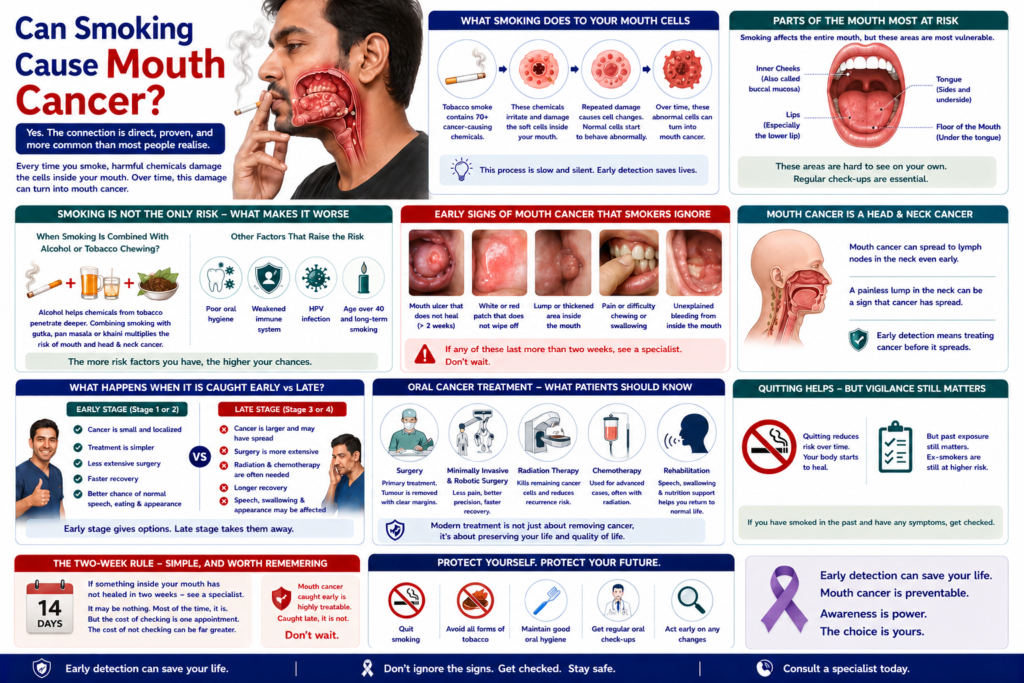
Not Every Mouth Ulcer Is Harmless – Here Is When It Becomes a Red Flag Most of us have had a mouth ulcer at some point. A small sore appears, it stings for a few days, and then it is gone. We barely think about it. But what happens when it does not go away? What happens when it grows larger, bleeds without reason, or sits in the same spot for three weeks without showing any sign of healing? That is when a mouth ulcer stops being a minor inconvenience and starts being a message worth listening to. This blog is about knowing the difference  because catching that difference early can change everything. Most Mouth Ulcers Are Harmless – But Not All of Them Let us be clear from the start: the vast majority of mouth ulcers are benign. They are caused by minor trauma, stress, vitamin deficiencies, acidic foods, or hormonal changes. They heal on their own within seven to ten days and leave no trace behind. There is no cause for alarm with these. But a small percentage of mouth ulcers are not what they appear to be. They look similar on the surface  a sore, a raw patch, some discomfort  but they behave differently. They do not follow the normal healing pattern. And in some cases, they are the earliest visible sign of oral cancer. How a Normal Mouth Ulcer Behaves and Heals? A typical ulcer is round or oval, has a white or yellowish centre, and is surrounded by a slightly red border. It is painful to touch, worsens briefly when eating acidic or spicy food, and begins improving within five to seven days. By the end of the second week, it should be gone. The Moment It Stops Being Normal The 2-Week Rule If a mouth ulcer has not healed within two weeks, the reason needs to be investigated. This is not a guideline  it is a clinical boundary. Beyond two weeks, the ulcer is either being caused by something that needs treatment, or it is something more serious that needs to be ruled out. Either way, it needs professional attention. What Your Mouth Is Actually Trying to Tell You? The mouth is remarkably good at showing early signs of systemic problems  if you know what to look for. The challenge is that early oral cancer symptoms are easy to dismiss precisely because they resemble ordinary, harmless conditions. Early Oral Cancer Symptoms That Look Exactly Like a Simple Ulcer The early oral cancer symptoms that most frequently get ignored include a sore or ulcer that does not heal, a red or white patch inside the mouth, unexplained bleeding from the gum or cheek lining, a lump or thickening in the soft tissue, and persistent pain or tenderness in the mouth without an obvious cause. None of these are dramatic. All of them are easy to explain away. And that is exactly why oral cancer is so often found late. The Specific Signs That Separate a Harmless Sore from Something Serious Pay attention when an ulcer is painless  counterintuitively, painless ulcers are more concerning than painful ones. Pay attention when the edges feel raised or rolled. Pay attention when the base of the ulcer looks uneven or granular rather than smooth. And pay close attention when the ulcer is accompanied by a lump in the neck, difficulty swallowing, or a feeling that something is stuck in the throat. These combinations are not normal. They are signals. Tongue Ulcers – Why This Location Deserves Extra Attention Not all locations inside the mouth carry equal risk. The tongue  particularly its side edges and the area underneath  is one of the most common sites for oral cancer to develop, and tongue ulcer cancer signs are among the most frequently delayed diagnoses. Why Tongue Ulcers Are Harder to Self-Assess The sides and underside of the tongue are difficult to examine in a mirror. Many patients are entirely unaware of a lesion in these areas until it has been present for weeks or months. This is not negligence  it is anatomy. Which is why any persistent soreness, roughness, or discomfort on the tongue that lasts beyond two weeks should be examined by a professional, not monitored at home. Tongue Ulcer Cancer Signs: What to Look for and What to Feel Tongue ulcer cancer signs that warrant urgent attention include an ulcer on the side or underside of the tongue that has been present for more than two weeks, an area of the tongue that feels harder than the surrounding tissue, a patch that is red, white, or mixed in colour and does not wipe off, and any ulcer that bleeds easily when touched or during eating. If you notice any of these, do not wait for it to resolve on its own. The Risk Factors That Make a Persistent Mouth Ulcer More Concerning Not everyone who gets a mouth ulcer is at equal risk. Certain habits and backgrounds raise the stakes considerably. Tobacco, Pan Masala, and Alcohol The Combination That Raises the Stakes In India, the use of tobacco in any form  smoking, chewing, gutka, pan masala  is one of the strongest known risk factors for oral cancer. Alcohol use compounds this risk significantly. For anyone who uses these substances regularly and develops a persistent mouth ulcer, the threshold for seeking specialist assessment should be much lower  not two weeks, but immediately if the ulcer is unusual in any way. Why People in Their 40s and 50s Should Be Especially Alert? While oral cancer can occur at any age, it is most commonly diagnosed in people between 40 and 60 years of age. Combined with a history of tobacco or alcohol use, age becomes a relevant factor in how seriously a persistent ulcer should be taken. What Happens When a Persistent Mouth Ulcer Is Actually Cancer? The word “cancer” in connection with a mouth ulcer is frightening. But the reality of what happens when it is caught early vs late

Oncology

Stage 4 Does Not Always Mean Inoperable – The Truth About Head & Neck Cancer Surgery

Stage 4 Does Not Always Mean Inoperable – The Truth About Head & Neck Cancer Surgery When a doctor says “stage 4,” most patients hear one thing: it is too late. That fear is understandable but it is not always accurate. In head and neck cancers, stage 4 is not a single fixed situation. It is a spectrum. And within that spectrum, there are patients who are very much candidates for surgery, who go on to complete treatment, and who live full lives on the other side of it. Why a Stage 4 Diagnosis Does Not Always Mean Surgery Is Off the Table? The word “stage 4” carries enormous emotional weight. But in oncology, staging is a classification system  not a verdict. It tells surgeons and oncologists about the size of the tumour, whether it has spread to nearby lymph nodes, and whether it has travelled to distant organs. Each of those factors matters differently, and each one is evaluated individually before any decision about surgery is made. What “Stage 4” Actually Means in Head and Neck Cancer? Stage 4 is not one thing. It is divided into three sub-stages  and understanding the difference is critical.The Difference Between Stage 4A, 4B, and 4C  And Why It Changes EverythingStage 4A generally means the tumour is moderately advanced it may have grown into nearby structures or spread to a limited number of lymph nodes, but it has not reached distant organs. Stage 4B indicates more extensive local spread, often into structures that make surgery more complex. Stage 4C means the cancer has spread to distant sites such as the lungs or liver  and this is where surgery as a curative option becomes significantly more limited. The distinction between these three sub-stages is one of the first things your surgical team will establish. How Tumour Location Affects Whether Surgery Is Possible? A stage 4 tumour at the edge of the tongue behaves very differently from one that has wrapped around the carotid artery or invaded the base of the skull. Location  not just stage determines surgical feasibility. This is why two patients with identical staging can have completely different surgical plans. When Surgery Is Still the Right Path – Defining Operable Oral Cancer? The term that matters most at this stage is resectability  whether the tumour can be surgically removed with a realistic chance of clear margins. What Makes a Tumour Surgically Resectable? Operable oral cancer is defined not just by stage but by specific anatomical and biological factors. Surgeons assess whether the tumour can be removed completely, whether the patient’s overall health can withstand a major operation, and whether the expected functional outcome  for speech, swallowing, and quality of life  justifies the procedure. When these factors align, surgery remains a powerful and appropriate option even at stage 4. The Role of Pre-Surgical Scans and Biopsy in the Decision Before any surgical plan is finalised, a full imaging workup is essential typically including a contrast CT scan, MRI, and PET scan. These scans map the tumour’s exact boundaries, identify lymph node involvement, and rule out distant metastasis. The biopsy confirms the tumour type, which also influences whether surgery, radiation, or chemotherapy or a combination  will be most effective. What Advanced Head and Neck Cancer Surgery Actually Involves? When surgery is recommended for stage 4 cases, it is rarely a minor procedure. Advanced head and neck cancer surgery is extensive, carefully planned, and often performed by a team of specialists working simultaneously. Extended Resections: When Surgery Goes Beyond the Tumour In advanced cases, the surgical team may need to remove not just the primary tumour but portions of the jaw, the floor of the mouth, lymph nodes from the neck, and occasionally surrounding soft tissue. The goal remains the same complete removal with clear margins  but the scope of the operation is significantly larger. Reconstruction After Major Surgery – Rebuilding Function and Appearance Major resections are almost always followed by reconstruction in the same sitting. Tissue flaps taken from the forearm, thigh, or chest  are used to rebuild the structures that were removed. This is not cosmetic afterthought; it directly impacts a patient’s ability to speak, eat, and swallow after surgery. Experienced centres performing advanced head and neck cancer surgery treat reconstruction as an equal and integral part of the operation. When a Combined Approach Surgery Plus Radiation or Chemo Is Recommended? In many stage 4 cases, surgery alone is not sufficient. Post-operative radiation, chemotherapy, or both are added to address microscopic disease that cannot be seen or removed surgically. This multimodal approach has significantly improved survival outcomes in advanced oral cancer over the past two decades and is now the standard of care at most comprehensive cancer centres. When Surgery May Not Be the First Option And What Comes Instead? Honesty matters here. Not every stage 4 patient is a surgical candidate from the outset  and that is not a failure of medicine or of the patient. Downstaging: Shrinking the Tumour Before OperatingIn some cases, chemotherapy or targeted therapy is given first to reduce the size of the tumour  a process called downstaging or induction chemotherapy. If the tumour responds well and shrinks to a resectable size, surgery then becomes possible. This approach has opened the door to stage 4 oral cancer treatment for patients who would otherwise not have been operable at diagnosis. Palliative Surgery When the Goal Is Quality of Life, Not Cure For patients where curative surgery is not possible, palliative procedures can still play an important role  relieving pain, restoring the ability to eat or speak, or preventing complications. This is not giving up. It is redirecting the goal of surgery toward what is most meaningful for the patient at that point in their journey. How the Decision Is Made The Multidisciplinary Tumour Board? No single doctor should make the decision about stage 4 oral cancer treatment alone. At experienced centres, every advanced case is presented to a multidisciplinary tumour board. Who Sits on a Tumour Board and

Oncology

Beyond the Surgery: Reclaiming Speech, Breath, and Identity After Laryngectomy

Beyond the Surgery: Reclaiming Speech, Breath, and Identity After Laryngectomy There is a moment after laryngectomy when everything feels unfamiliar. The way you breathe has changed. The voice you have carried your entire life is gone at least in its original form. And the person looking back at you in the mirror feels, for a while, like a stranger. This is not weakness. It is the honest reality of what laryngectomy asks of a person. But it is also not the end of the story. Thousands of patients have walked through that disorientation and come out the other side speaking, laughing, working, and living fully. The Moment Everything Changes – What Laryngectomy Actually Does to the Body The larynx commonly called the voice box sits at the top of the windpipe and serves two critical functions: it produces voice, and it protects the airway during swallowing. When larynx cancer requires its complete removal, the surgeon permanently separates the windpipe from the mouth and food pipe. Breathing now happens through a stoma a small opening created in the front of the neck. What Is Permanently Changed and What Can Be Rebuilt? The separation of the airway from the mouth is permanent. But the ability to communicate to make yourself heard and understood is not lost. It takes a different form, learned with time and support. This distinction is the foundation of larynx cancer rehabilitation: acknowledging what has changed while actively rebuilding everything that can be. Breathing After Laryngectomy – The New Normal Nobody Talks About Laryngectomy focus heavily on speech. Far fewer address what it means to breathe differently for the rest of your life and yet for most patients, adjusting to stoma breathing is one of the most immediate challenges of life after laryngectomy. Living With a Stoma: Daily Care and What to Expect The stoma requires regular cleaning and care to prevent blockages and infection. Heat and moisture exchangers small filters worn over the stoma  help warm and humidify the air before it reaches the lungs, replicating some of what the nose and throat previously did. Swimming and activities that risk water entering the stoma require specific precautions. These adjustments become routine over time, but patients benefit enormously from being prepared for them before they leave hospital. How the Body Adapts Over Time? The body is remarkably adaptable. Within weeks to months, most patients find that stoma care becomes second nature no longer a medical task but simply part of the morning routine, like any other act of personal care. Finding Your Voice Again – Three Paths Back to Speech Voice after throat cancer surgery does not return on its own it is rebuilt through one of three established methods, each with its own advantages, and each suited to different patients depending on their anatomy, lifestyle, and personal preference. Voice Prosthesis (TEP): The Most Common Speaking Device After Laryngectomy A tracheo-oesophageal puncture, or TEP, involves placing a small one-way valve between the windpipe and the food pipe. When the patient covers the stoma with a finger or a hands-free valve and exhales, air is redirected through the voice prosthesis and into the food pipe, where it vibrates to produce sound. The result is a voice that while different from before is fluent, conversational, and surprisingly natural. The TEP is currently the most widely used speaking device after laryngectomy and produces the most voice-like speech of the three options. Oesophageal Speech: Learning to Speak Without Any Device Oesophageal speech involves swallowing or injecting small amounts of air into the food pipe and then releasing it in a controlled way to produce sound. It requires no device and no surgery beyond the original laryngectomy  just consistent practice with a speech therapist. The voice it produces is lower and more effortful than TEP speech, but for patients who are not candidates for a prosthesis, it offers genuine independence and freedom. Electrolarynx: The Electronic Voice Option An electrolarynx is a small handheld device roughly the size of an electric razor that generates vibration when held against the neck or cheek. The patient mouths words normally, and the device provides the sound source that the larynx previously supplied. It is the easiest method to begin using immediately after surgery and is often the first form of communication patients use while still in hospital, before longer-term speech methods are established. Larynx Cancer Rehabilitation – It Goes Far Beyond Learning to Speak True rehabilitation after laryngectomy addresses the whole person not just the mechanics of producing sound. Swallowing, Eating, and Nutrition After Surgery Because the airway is now permanently separated from the food pipe, swallowing is actually safer after total laryngectomy than before there is no longer a risk of food entering the airway. However, surgery can still affect the muscles involved in swallowing, and a speech and swallowing therapist works with patients to restore comfortable, efficient eating as part of the broader rehabilitation process. The Emotional and Psychological Side of Recovery The identity shift that laryngectomy brings is real and should not be minimised. Many patients describe a period of grief for the voice they had, for the ease of communication they took for granted, for the version of themselves that existed before surgery. This is a normal and valid response. Psychological support, peer groups, and connection with other laryngectomees are all recognised parts of larynx cancer rehabilitation that make a measurable difference to long-term wellbeing. Returning to Work, Social Life, and Relationships Most patients do return to work, to social situations, and to the relationships that matter to them. The timeline varies some return within months, others take longer. What consistently helps is early, honest communication with employers, family, and friends about what has changed and what has not. What the Recovery Timeline Actually Looks Like? The First Two Weeks: Hospital, Healing, and First Communication The immediate post-operative period is focused on healing, stoma care, and establishing the first method of communication usually writing or an electrolarynx. Nutrition is provided through a nasogastric

Oncology

Life After Tongue Cancer Surgery: Can You Really Eat and Speak Normally Again?

Life After Tongue Cancer Surgery: Can You Really Eat and Speak Normally Again? Being told you need tongue cancer surgery brings up a flood of questions and most of them circle around two fears: Will I be able to speak again? Will I ever eat a proper meal? These are not small concerns. They sit at the heart of what makes life feel normal and human. The honest answer is: yes, most patients do regain both functions but recovery takes time, the right support, and a team that understands what you are going through. What Actually Happens to Your Tongue During Surgery? The tongue is not a simple structure. It is a group of muscles that work together constantly for speaking, chewing, swallowing, and even breathing. When a tumour develops on it, surgeons need to remove the affected tissue with clear margins to prevent the cancer from spreading further. How Much Tissue Is Removed And Why It Matters for Recovery The extent of removal depends on how large and how deep the tumour is. A small, surface-level tumour may need only a minor excision. A deeper or larger tumour may require removing a significant portion of the tongue. The more tissue removed, the more complex the tongue cancer surgery recovery process becomes but this does not mean a poor quality of life. It means the recovery path needs to be planned carefully from day one. Speaking After Tongue Cancer Surgery What Patients Really Experience The first few days after surgery are the hardest. Swelling, stitches, and general post-operative discomfort make it difficult to produce clear sounds. Most patients are advised to rest their voice and communicate through writing or a whiteboard during this phase. This is completely temporary. Why Speech Changes in the Early Days of Tongue Cancer Surgery Recovery The tongue shapes nearly every sound we make. When its shape or mass changes after surgery, the brain needs time to relearn how to produce certain sounds using the remaining or reconstructed tissue. Sounds like “t,” “d,” “l,” and “n” which require the tongue tip are typically the most affected initially. The Role of Tongue Reconstruction in Restoring Your Voice For patients who have had a larger portion of the tongue removed, tongue reconstruction is a critical step. Surgeons use tissue often taken from the forearm or thigh to rebuild the tongue’s shape and bulk. This not only improves the appearance but directly supports speech after oral cancer surgery by giving the muscles something to work against when forming sounds. Patients seeking tongue reconstruction in Ahmedabad should look for a surgical team with specific experience in head and neck oncology and reconstructive surgery, as the technique significantly impacts long-term outcomes. Can You Eat Normally After Tongue Surgery? Eating is the other great concern and understandably so. The tongue is central to chewing, moving food around the mouth, and triggering the swallow reflex. The Three Stages of Eating Progress After Surgery Most patients progress through three broad stages when eating after tongue surgery. In the first stage, nutrition is provided through a feeding tube or liquid supplements while healing takes place. The second stage involves soft, pureed foods introduced gradually as swelling reduces. The third stage, which most patients reach over weeks to months, involves transitioning back to a regular diet though some textures may always require more effort than before. Foods That Help and Foods to Avoid During Recovery Smooth, moist foods think dal, soft-cooked vegetables, yoghurt, and soups make the early stages of eating far more manageable. Dry, crumbly, or sharp-edged foods should be avoided until the surgical site has healed and swallowing has been cleared by a therapist. How Tongue Reconstruction Rebuilds Both Function and Confidence Reconstruction does more than restore appearance. It fills the space left by removed tissue, which allows the remaining tongue muscles to function more efficiently. Patients who undergo flap-based reconstruction generally show better outcomes in both swallowing and speech compared to those who do not. Flap-Based Reconstruction: What It Is and How It Helps In flap-based reconstruction, a piece of tissue along with its blood supply is transferred from another part of the body to the mouth. Over time, this tissue integrates and provides bulk that supports tongue movement. For patients exploring tongue reconstruction in Ahmedabad, it is important to discuss with your surgeon which type of flap is best suited to your case, as this decision directly influences your speech and swallowing recovery. Speech Therapy The Bridge Between Surgery and Normal Life Surgery addresses cancer. Therapy addresses the recovery. These two are equally important, and skipping therapy is one of the most common reasons patients plateau in their recovery. What a Speech Therapist Actually Does After Oral Cancer Surgery A speech-language pathologist (SLP) works with patients on specific exercises to strengthen the muscles involved in speaking and swallowing. They assess which sounds are most affected, design a personalised exercise programme, and track progress over time. For patients recovering from speech after oral cancer surgery, therapy sessions typically begin within a few weeks of the operation and continue for several months. Realistic Recovery Timeline: Week by Week Progress Weeks 1–2: Rest, healing, tube feeding or liquids only. Limited or no speaking. Weeks 3–6: Swelling reduces. Soft foods introduced. Speech therapy begins. Months 2–4: Noticeable improvement in clarity of speech. More food textures reintroduced. Months 6–12: Most patients reach a functional plateau understandable speech and a largely normal diet. Questions Patients Ask Before Surgery Is Full Speech Recovery Always Possible? Not always and it depends on the extent of surgery. But “full” recovery is less important than “functional” recovery. The goal is clear, understandable speech and the ability to eat comfortably. Most patients achieve this with proper surgery and consistent therapy. When Should You Start Speech and Swallowing Therapy? The earlier, the better. Ideally, patients meet a speech therapist even before surgery called prehabilitation so they understand what to expect and can begin exercises as soon as the surgical site allows. In Ahmedabad, several surgical oncologist now offer multidisciplinary care that includes pre-surgical

Oncology

Behind the OT Doors: A Complete Look at the Oral Cancer Surgery Procedure

Behind the OT Doors: A Complete Look at the Oral Cancer Surgery Procedure For most patients, the operation theatre is the most anxious part of the entire cancer journey. You know the surgery needs to happen but what actually goes on behind those closed doors? Understanding the process does not just satisfy curiosity. It genuinely helps patients feel more prepared, more in control, and less afraid. This guide takes you through the oral cancer surgery journey from entering the OT to reaching the recovery room. Why Understanding the Surgery Helps Patients Feel Less Afraid Fear of the unknown is almost always worse than the reality. When patients understand what the surgical team is doing  and why  the anxiety of waiting for surgery becomes significantly more manageable. Surgeons and oncology teams at experienced centres take time to explain the process before the day arrives, and this preparation is as much a part of care as the operation itself. How the Surgical Team Prepares Before the First Incision A great deal of work happens before the surgeon makes a single cut. The OT is set up specifically for your case instruments are laid out, imaging scans are displayed, and every member of the team is briefed on the plan. Who Is in the Room During a Head and Neck Cancer Operation? A head and neck cancer operation involves more people than most patients expect. The team typically includes the lead oncosurgeon, a reconstructive surgeon, an anaesthesiologist, a scrub nurse, a circulating nurse, and often a resident or surgical assistant. Each person has a defined role, and the team works together with a level of coordination that takes years to develop. Anaesthesia and Airway Management: The First Critical Step Because oral cancer affects the mouth and throat, managing the airway before anaesthesia is administered requires particular care. In many cases, the anaesthesiologist performs a fibre-optic intubation passing a breathing tube through the nose rather than the mouth to keep the surgical site completely accessible. Once the airway is secured and anaesthesia is confirmed, the operation begins. Walking Through the Oral Cancer Surgery Procedure What Actually Happens The surgery follows a logical sequence, though the exact steps vary depending on the size and location of the tumour. Tumour Removal: How Surgeons Define and Clear the MarginsThe primary goal is to remove the tumour along with a rim of healthy tissue around it called clear margins. This is what reduces the risk of the cancer returning. Surgeons use a combination of visual assessment and touch to define the boundaries of the tumour, then carefully excise it while protecting surrounding structures as much as possible. When the Jaw or Neck Is Involved Extending the OperationIf the tumour has grown close to or into the jawbone, a portion of the mandible may need to be removed. If there is a risk that cancer has spread to the lymph nodes, a neck dissection is performed simultaneously removing the affected nodes from one or both sides of the neck. This is all part of a single, coordinated oral cancer surgery procedure. The Commando Surgery Explained: What It Is and When It Is NeededOne term patients sometimes hear and rarely understand is “commando surgery.” Commando surgery formally called a composite resection involves removing the tumour, a portion of the jaw, and the lymph nodes of the neck in one combined operation. It sounds extensive, and it is  but it is designed for cases where the cancer spans multiple structures and needs to be addressed comprehensively in a single sitting. Having commando surgery explained before the operation helps patients process the scope of what is being done and why it gives the best chance of clear margins. Reconstruction  Rebuilding While the Cancer Is Still Being RemovedOne of the most remarkable aspects of modern oral cancer surgery is that reconstruction often happens in the same operation. While one surgical team removes the tumour, a second team may already be harvesting tissue from another part of the body. Flap Surgery Inside the OT: Where the Tissue Comes FromThe most common donor sites are the forearm (radial forearm free flap) or the thigh (anterolateral thigh flap). A section of skin, fat, and sometimes muscle along with its blood vessels  is carefully removed and transferred to the mouth to fill the space left by the tumour. Why Reconstruction Happens in the Same Operation Performing reconstruction immediately reduces the number of surgeries a patient needs, shortens the overall recovery period, and produces better functional outcomes for speech and swallowing. The reconstructive surgeon connects the flap’s blood vessels to vessels in the neck using microsurgery stitches finer than a human hair, viewed under a microscope. What the Surgical Team Monitors Throughout the Oral Cancer OT Process Surgery is not just about cutting and stitching. Throughout the oral cancer OT process, the team is continuously monitoring and making decisions in real time. Frozen Section Biopsies: Real-Time Margin Checking During Surgery One of the most important intraoperative steps is the frozen section biopsy. Tissue from the edges of the removed tumour is sent immediately to a pathologist in an adjacent lab. Within 20 to 30 minutes, the pathologist reports whether the margins are clear. If cancer cells are found at the edge, the surgeon removes more tissue before closing  all while the patient is still on the table. How Long Does the Operation Typically Take? A straightforward oral cancer surgery may take three to four hours. When neck dissection, jaw surgery, and free flap reconstruction are all involved, the operation can last eight to twelve hours or more. Patients and families should be prepared for this, and most hospitals provide waiting area updates throughout. What Happens in the Final Hour of SurgeryOnce the tumour is removed, margins are confirmed clear, and reconstruction is complete, the team moves to closing. Closing the Wound and Placing DrainsThe surgical site is closed in layers. Small drainage tubes are placed near the neck dissection site to prevent fluid from collecting under the

Oncology

Cancer Treatment Delays Explained: Why Early Action Saves Lives

Cancer Treatment Delays Explained: Why Early Action Saves Lives Cancer treatment is most effective when started at the right time. However, many patients delay medical care due to fear, confusion, financial concerns, or the hope that symptoms will improve on their own. While these reactions are understandable, delaying treatment can allow cancer to progress, making it harder to control and reducing the chances of successful recovery. Early diagnosis and timely medical intervention are among the most important factors in improving cancer outcomes. Understanding how delays affect the disease can help patients make informed decisions and seek care before complications develop. Why Timing Matters in Cancer Treatment Cancer is not a condition that remains unchanged over time. In many cases, cancer cells continue to grow and spread if treatment is postponed. Cancer Progression Can Happen Quickly Some cancers grow aggressively and may spread to nearby tissues or distant organs within a short period. What begins as an early-stage disease can become more advanced if treatment is delayed. Early Stages Often Have Better Outcomes When detected early, many cancers can be treated more effectively with fewer complications. Early intervention increases the likelihood of successful recovery and long-term survival. Common Reasons Why Patients Delay Cancer Treatment Ignoring Early SymptomsSymptoms such as unexplained weight loss, persistent lumps, or unusual bleeding are often ignored in the beginning. Many patients assume these changes are temporary or unrelated to cancer. Fear and Emotional StressA cancer diagnosis can create anxiety and fear. Concerns about surgery, chemotherapy, or lifestyle changes may cause patients to postpone important decisions. Financial and Accessibility ChallengesTreatment expenses, travel difficulties, and limited access to specialized care can also contribute to delays in starting proper cancer treatment. Spending Too Much Time Seeking Multiple OpinionsSecond opinions can be valuable, but waiting too long to finalize treatment plans may negatively affect outcomes. How Delayed Cancer Treatment Affects Survival Tumor Growth and Disease SpreadAs cancer progresses, tumors can grow larger and spread to lymph nodes or other organs. Advanced-stage disease is often more difficult to treat successfully. Reduced Chances of Curative TreatmentEarly-stage cancers may sometimes be cured with localized treatment. Delays can reduce the possibility of complete tumor removal or control. Need for More Aggressive TherapiesPatients diagnosed at later stages may require combined treatments such as surgery, chemotherapy, and radiation therapy, which can increase physical and emotional stress. Why Early Treatment Often Leads to Better Recovery Less Extensive SurgeryWhen cancer is detected early, surgery may be smaller and less complex. This often results in quicker recovery and fewer complications. Improved Quality of LifeTimely treatment can preserve normal body function and reduce the impact of aggressive therapies on daily life. Better Long-Term OutcomesPatients who receive early cancer treatment generally have higher survival rates and better overall health outcomes. The Role of a Surgical Oncologist in Cancer Care A skilled surgical oncologist plays an important role in diagnosing, staging, and treating cancer. These specialists help determine the best treatment approach based on the type and stage of disease. Timely consultation with an experienced cancer specialist ensures accurate evaluation and a personalized treatment plan. Early expert guidance can prevent unnecessary delays and improve the chances of successful treatment. Myths That Often Lead to Delays “If It Doesn’t Hurt, It’s Not Serious”Many cancers may not cause pain in the early stages. Waiting for severe symptoms can allow the disease to progress. “Alternative Remedies Alone Can Cure Cancer”While supportive therapies may help improve well-being, delaying evidence-based medical treatment can reduce survival chances. “Treatment Can Wait for a Few More Months”Even small delays may impact outcomes in certain types of cancer. Signs You Should Never Ignore Persistent symptoms should always be evaluated by a medical professional. Warning signs may include: Unexplained lumps or swelling Sudden weight loss Persistent fatigue Non-healing ulcers or bleeding Difficulty swallowing or changes in bowel habits Seeking medical attention early allows for faster diagnosis and more effective treatment planning. Acting Early Can Improve Survival and Recovery Delaying cancer treatment can significantly affect survival, recovery, and quality of life. Although fear and uncertainty are common after diagnosis, taking timely action gives patients the best chance for successful outcomes. Understanding the risks of waiting and consulting an experienced specialist early can make a life-saving difference. Take the Next Step Toward Timely Cancer Care If you or a loved one has been diagnosed with cancer, do not delay evaluation and treatment. Consulting an experienced cancer specialist at the right time can help you understand your options and begin the most appropriate cancer treatment without unnecessary delays.

Oncology

PET-CT Scan Explained: What It Can and Cannot Detect in Cancer

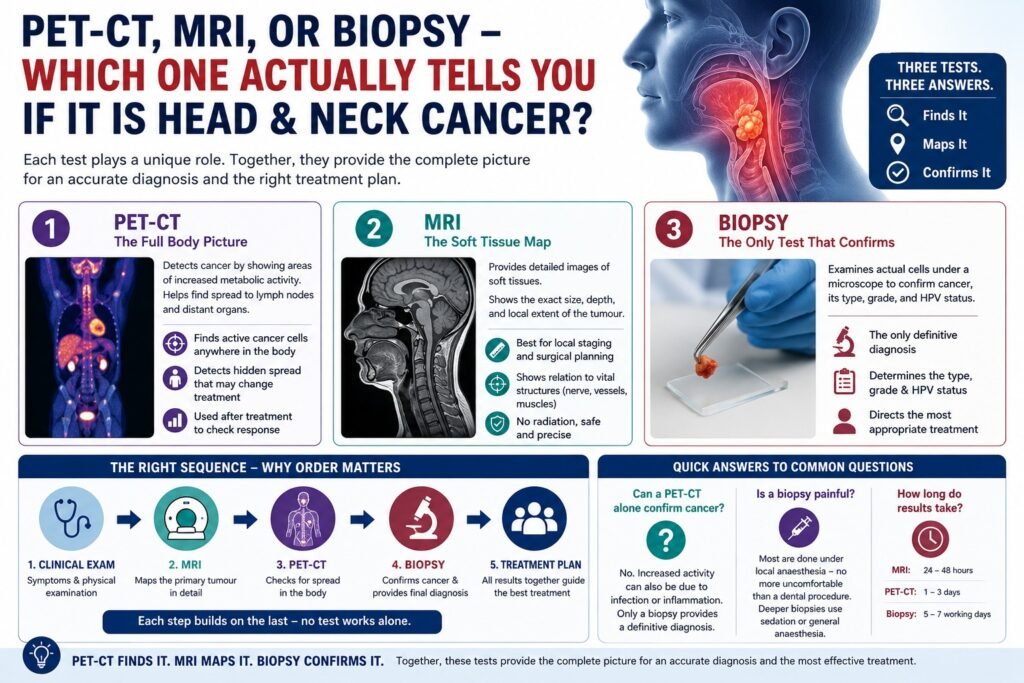
PET-CT Scan Explained: What It Can and Cannot Detect in Cancer When patients hear the word “PET-CT scan,” they often assume it can detect every type of cancer with complete accuracy. While PET-CT is one of the most advanced imaging tools used in modern oncology, it is important to understand that it has both strengths and limitations. Knowing what this scan can and cannot detect helps patients make informed decisions and reduces unnecessary anxiety during cancer evaluation. PET-CT scans are widely used by a cancer doctor to diagnose, stage, and monitor various cancers. They provide valuable information that can guide treatment planning and help determine how well therapies are working. However, like any medical test, PET-CT is not perfect and must always be interpreted alongside clinical examination and other investigations. What Is a PET-CT Scan? A PET-CT scan combines two imaging techniques into one detailed study. Understanding the PET Component PET (Positron Emission Tomography) detects areas of increased metabolic activity in the body. Since cancer cells usually grow faster than normal cells, they often consume more glucose and appear as “hot spots” on the scan. Understanding the CT Component CT (Computed Tomography) provides detailed images of internal organs, tissues, and bones. It helps identify the exact location, size, and shape of abnormalities. Why Combining Both Is Useful Together, PET and CT provide both functional and structural information, allowing doctors to better understand the extent of disease. What Can a PET-CT Scan Detect? Detecting the Spread of Cancer One of the biggest advantages of PET-CT is its ability to identify whether cancer has spread to lymph nodes or distant organs. This helps determine the stage of cancer and guides treatment decisions. Finding Recurrent or Hidden Cancer In some patients, symptoms may persist even when routine scans appear normal. PET-CT can sometimes detect hidden or recurrent tumors earlier than standard imaging. Monitoring Treatment Response A cancer doctor may recommend PET-CT during or after treatment to evaluate how effectively chemotherapy, radiation, or targeted therapy is working. Assisting in Surgical Planning A cancer surgeon often uses PET-CT findings to understand the extent of disease before surgery. This helps in planning safer and more precise procedures. What PET-CT Scans Cannot Reliably Detect Despite its advanced technology, PET-CT has certain limitations that patients should understand. Very Small Tumors May Be Missed Tiny tumors or microscopic cancer cells may not show enough metabolic activity to appear clearly on the scan. Not Every Abnormal Area Is Cancer Inflammation, infections, and healing tissues can sometimes appear active on PET-CT, creating false-positive results. This is why biopsy or additional tests may still be required.Some Slow-Growing Cancers May Not Show Clearly Certain cancers grow slowly and do not absorb enough tracer to be easily detected by PET imaging. When Do Doctors Usually Recommend a PET-CT Scan? During Cancer Staging PET-CT is commonly used after diagnosis to determine how far cancer has spread. Before Major Cancer Surgery A cancer surgeon may use PET-CT findings to assess whether surgery is the best treatment option and to plan the procedure accurately. After Treatment Completion Doctors may recommend follow-up PET-CT scans to check for recurrence or remaining disease. How Should Patients Prepare for a PET-CT Scan? Patients are usually advised to avoid heavy meals and fast for several hours before the scan. Proper preparation is important because blood sugar levels can affect scan accuracy. Following the medical team’s instructions carefully helps ensure reliable results. Why PET-CT Results Need Expert Interpretation A PET-CT scan should never be viewed in isolation. The results must be interpreted along with biopsy reports, blood tests, physical examination, and the patient’s overall clinical condition. Experienced specialists understand how to differentiate between cancer activity and non-cancerous findings, reducing the chances of unnecessary fear or incorrect conclusions. Common Misconceptions About PET-CT Scans “PET-CT Can Detect Every Cancer” No imaging test can identify all cancers with 100% accuracy. PET-CT is highly useful, but additional investigations may still be necessary. “A Normal PET-CT Means There Is No Cancer” Some cancers may not appear clearly on PET imaging, especially in early stages or slow-growing forms. Final Thoughts: PET-CT Is a Powerful Tool, But Not a Perfect One PET-CT scans play a major role in modern cancer care by helping detect, stage, and monitor disease. They provide valuable information that supports treatment planning and improves decision-making. However, understanding their limitations is equally important. The best outcomes come from combining advanced imaging with expert medical evaluation, timely diagnosis, and personalized care. Need Guidance About a PET-CT Scan? If you have been advised a PET-CT scan or are seeking expert cancer evaluation, consult an experienced surgical oncologist for accurate interpretation and treatment planning. Early diagnosis and the right medical guidance can make a significant difference in cancer care and recovery.

Oncology

Biopsy Spreads Cancer? The Truth Every Indian Family Must Know

Biopsy Spreads Cancer? The Truth Every Indian Family Must Know One of the most common fears among cancer patients and their families in India is the belief that a biopsy can spread cancer. Because of this misconception, many people delay testing, avoid medical consultation, or hesitate to start proper treatment. Unfortunately, this fear often causes more harm than the biopsy itself. The truth is that a biopsy is one of the most important steps in cancer diagnosis. It helps doctors confirm whether a suspicious lump or abnormal tissue is cancerous and allows them to plan the most appropriate cancer treatment. Understanding the facts behind this common myth can help families make informed decisions without unnecessary fear. Why Do People Believe Biopsies Spread Cancer? This myth has existed for many years and is often passed through word of mouth or misinformation. Fear and Lack of Awareness Many patients believe that “touching” or “cutting” a tumor during a biopsy causes cancer cells to spread throughout the body. Stories and Misunderstandings In some cases, patients are diagnosed at an advanced stage shortly after biopsy, leading families to incorrectly assume that the procedure caused the disease to worsen. In reality, the cancer was already progressing before diagnosis. What Is a Biopsy and Why Is It Necessary? A biopsy is a medical procedure in which a small sample of tissue is removed and examined under a microscope. It is considered the gold standard for confirming cancer. Why Scans Alone Are Not Enough Imaging tests such as CT scans, MRI, or PET scans can identify suspicious areas, but they cannot always confirm whether the abnormality is cancerous. A biopsy provides the final diagnosis needed for accurate treatment planning. How Biopsy Helps Guide Cancer Treatment The biopsy report helps doctors identify the type, grade, and behaviour of cancer. This information is essential for selecting the most effective cancer treatment for each patient. Can a Biopsy Actually Spread Cancer? In modern medicine, the risk of cancer spreading because of a biopsy is extremely rare. Advanced Techniques Make Biopsies Safe Today’s biopsy procedures are performed using highly controlled and standardized methods designed to minimize any risk. Needle biopsies, image-guided biopsies, and minimally invasive techniques are widely used across the world. Medical Research Does Not Support This Myth Scientific evidence shows that biopsies are safe and do not significantly increase the risk of cancer spread in the vast majority of cases. The Bigger Risk Is Delaying Diagnosis Avoiding biopsy out of fear can delay diagnosis and treatment, allowing cancer to progress to more advanced stages. Why Early Diagnosis Is So Important Cancer outcomes are often much better when the disease is detected early. Better Chances of Successful Treatment Early-stage cancers are usually easier to treat and may require less aggressive therapies. Reduced Treatment Complexity When cancer is diagnosed late, patients may need extensive surgery, chemotherapy, or radiation therapy. Early detection often allows for simpler and more effective treatment plans. Types of Biopsies Commonly Used in Cancer Care Needle Biopsy A thin needle is used to collect tissue from a suspicious lump or organ. This is one of the most common and minimally invasive biopsy methods. Endoscopic or Image-Guided Biopsy Special imaging or endoscopic tools help doctors safely reach difficult areas inside the body. Surgical Biopsy In some situations, a surgical oncologist may perform a surgical biopsy to remove a larger tissue sample for detailed examination. Why Expert Evaluation Matters An experienced specialist understands how to perform biopsies safely while ensuring accurate diagnosis. A skilled surgical oncologist carefully plans the procedure based on the location and type of suspected cancer. Proper diagnosis is the foundation of effective cancer treatment. Without biopsy confirmation, treatment decisions may be inaccurate or delayed. Signs You Should Never Ignore Certain symptoms should always be evaluated by a doctor, including: Persistent lumps or swelling Non-healing ulcers Unexplained bleeding Sudden weight loss Difficulty swallowing or speaking Seeking timely medical advice can help detect problems early and improve outcomes. Facts Should Guide Decisions, Not Fear The belief that biopsies spread cancer is a harmful myth that continues to delay diagnosis and treatment for many patients. In reality, biopsies are safe, essential, and critical for accurate cancer diagnosis. Choosing timely medical evaluation over fear can make a life-saving difference. The sooner cancer is diagnosed, the better the chances of successful treatment and recovery. Don’t Delay Cancer Evaluation If you or a loved one has been advised to undergo a biopsy, consult an experienced cancer doctor without hesitation. Accurate diagnosis, expert guidance, and timely cancer treatment can significantly improve outcomes and provide peace of mind for the entire family.

Oncology

A Doctor’s Guide to Thyroid Nodules: When to Worry and When to Relax

A Doctor’s Guide to Thyroid Nodules: When to Worry and When to Relax Finding a lump in the neck can be worrying, especially when it is related to the thyroid gland. Many patients notice thyroid swelling during routine activities like swallowing or looking in the mirror, which often leads to anxiety about serious illness. The good news is that most thyroid nodules are harmless and do not require aggressive treatment. However, knowing when to stay calm and when to seek medical attention is essential for protecting your health. A thyroid nodule is simply a growth or lump within the thyroid gland. These nodules are quite common and are often detected during a physical examination or imaging test. While most are benign, a small percentage may need further evaluation to rule out complications. Understanding this difference can help you make confident and timely decisions. What Causes Thyroid Nodules? Thyroid nodules can develop due to several reasons, and not all of them are serious. Common Causes Behind Thyroid SwellingIn many cases, thyroid swelling occurs due to iodine deficiency, fluid-filled cysts, or overgrowth of normal thyroid tissue. These conditions are usually non-cancerous and manageable. Hormonal Imbalances and Thyroid FunctionSometimes, nodules can affect hormone production, leading to symptoms like weight changes, fatigue, or increased heart rate. Proper evaluation helps determine the exact cause. Thyroid Swelling: When Is It Normal and When Should You Worry?Not every thyroid nodule is a cause for concern, but certain signs should not be ignored. When You Can Relax Small nodules that do not grow or cause symptoms are usually harmless. Many patients live with them without any impact on daily life. Regular monitoring is often all that is needed. Warning Signs That Need Attention If the thyroid swelling increases in size, causes difficulty in swallowing or breathing, or leads to voice changes, it is important to consult a specialist. Rapid growth or persistent discomfort should always be evaluated. Symptoms That May Indicate a ProblemWhile many nodules are silent, some may present noticeable symptoms. Physical SymptomsA visible lump in the neck, pressure sensation, or discomfort while swallowing may indicate a growing nodule. Hormonal SymptomsIf the nodule affects thyroid function, patients may experience anxiety, unexplained weight loss, fatigue, or irregular heartbeat. When Should You Be Concerned About a Thyroid Nodule? Certain factors increase the need for careful medical evaluation. Changes in Size or ShapeA nodule that grows quickly or feels hard may require further investigation. Risk Factors to ConsiderA family history of thyroid disease, previous radiation exposure, or specific age groups can increase the risk of complications. When Is Monitoring Enough? Not all nodules require immediate intervention. Stable and Non-Symptomatic NodulesIf the nodule remains unchanged and does not cause symptoms, doctors often recommend regular follow-ups instead of immediate treatment. Importance of Routine Check-UpsPeriodic ultrasound and clinical exams help ensure that the nodule remains harmless over time. Thyroid Nodule Treatment: What Are Your Options? The approach to thyroid nodule treatment depends on the nature and behavior of the nodule. Observation and Medical ManagementBenign nodules may only need monitoring or medication to manage symptoms. Surgical Treatment When NeededIf the nodule is large, symptomatic, or suspicious, surgery may be recommended to remove it safely and prevent complications. Why Expert Evaluation Matters Accurate diagnosis is the key to avoiding unnecessary worry or delayed treatment. Advanced diagnostic tools like ultrasound and biopsy help determine whether a nodule is benign or requires intervention. With expert guidance from specialists like Dr. Bhavin Vadodariya, patients receive a clear diagnosis and a personalized treatment plan. His approach focuses on balancing safety, precision, and patient comfort, ensuring that every individual receives the right care at the right time. When Should You Consult a Specialist? Early consultation can make a significant difference in outcomes. Signs You Should Not IgnorePersistent thyroid swelling, rapid growth of a lump, or associated symptoms should prompt immediate medical attention. Benefits of Early DiagnosisTimely evaluation allows for simpler treatment and reduces the risk of complications. Takeaway: Stay Informed and Stay ReassuredMost thyroid nodules are not dangerous, and many patients can safely manage them with regular monitoring. However, ignoring symptoms or delaying evaluation can lead to unnecessary risks. Understanding your condition and seeking timely medical advice helps you stay in control of your health. Take the Next Step Toward Thyroid Health If you have noticed thyroid swelling or have concerns about a thyroid nodule, don’t rely on guesswork. Consult an experienced specialist like Dr. Bhavin Vadodariya for accurate diagnosis and the most suitable thyroid nodule treatment. Early guidance not only provides clarity but also ensures peace of mind and better long-term health.

Oncology

Why Oral Cancer Is Often Diagnosed Late in India: A Surgeon’s Perspective

Why Oral Cancer Is Often Diagnosed Late in India: A Surgeon’s Perspective Oral cancer remains one of the most common cancers in India, yet a large number of patients are diagnosed at an advanced stage. From a surgeon’s perspective, this delay is not due to a single reason but a combination of awareness gaps, lifestyle factors, and hesitation in seeking timely care. While early-stage oral cancer is often treatable with good outcomes, late diagnosis can make treatment more complex and impact survival. Understanding why patients present late is the first step toward improving outcomes and encouraging timely intervention.  The Reality of Oral Cancer in India India carries a significant burden of oral cancer cases, largely linked to lifestyle habits such as tobacco and areca nut use. Despite the visibility of the disease since it affects the mouth many cases go unnoticed until symptoms become severe. In clinical practice, surgeons often encounter patients when the disease has already progressed, requiring more extensive treatment than would have been needed at an earlier stage. Why Do Patients Delay Seeking Treatment? Ignoring Early Symptoms- Early signs like mouth ulcers, white or red patches, and minor discomfort are often painless. Patients tend to overlook these symptoms, assuming they will heal on their own. Lack of Awareness- Many individuals are not aware that persistent oral changes could be early indicators of cancer. This lack of knowledge leads to delayed medical consultation. Social and Cultural Factors- Fear of diagnosis, social stigma, and hesitation to discuss oral health issues can prevent patients from seeking timely care. Reliance on Home Remedies- It is common for patients to try home remedies or over-the-counter treatments before consulting a specialist, which can delay proper diagnosis. What Surgeons Commonly See in Practice Advanced-Stage Presentation- A significant number of oral cancer patients present in Stage III or IV, where the disease has already spread locally or regionally. Increased Complexity of Treatment– Late-stage cases often require a combination of surgery, radiation, and chemotherapy. Surgical procedures may become more extensive, sometimes affecting speech and swallowing functions. Consequences of Late Diagnosis– Reduced Chances of Cure When detected early, oral cancer has a high survival rate. However, delays can significantly reduce the chances of complete recovery. More Aggressive Treatment- Advanced cancer often requires intensive treatment, which can be physically and emotionally demanding for patients. Impact on Quality of Life- Late-stage treatment may involve complex surgeries that affect appearance and daily functions, making recovery more challenging. Early Signs You Should Never Ignore Persistent Mouth Ulcers- Any ulcer that does not heal within two weeks should be evaluated by a specialist. Unusual Lumps or Patches– White, red, or mixed patches in the mouth can be early warning signs. Difficulty in Chewing or Swallowing- Changes in normal oral function should not be ignored. How Early Consultation Can Change Outcomes Seeking medical advice at the right time can make a significant difference. Early diagnosis often allows for simpler surgical procedures and better recovery. It also reduces the need for aggressive treatments and improves overall quality of life. Consulting an experienced specialist ensures accurate diagnosis and a well-planned treatment approach from the beginning. The Importance of Choosing the Right Specialist Oral cancer treatment requires precision, expertise, and a comprehensive approach. Patients benefit from consulting an experienced oral cancer surgeon in Ahmedabad, such as Dr. Bhavin Vadodariya, who focuses on accurate diagnosis and structured surgical care. His approach emphasizes timely intervention, patient education, and personalized treatment planning to achieve the best possible outcomes. When Should You Seek Medical Help? Do not wait for symptoms to worsen. If you notice any persistent oral changes, seek medical advice promptly. Early evaluation not only improves treatment success but also reduces complications. Takeaway: Awareness Can Save Lives Late diagnosis of oral cancer in India is a serious concern, but it is largely preventable. Recognizing early symptoms, avoiding delays, and seeking timely medical care can significantly improve outcomes. Taking action at the right time can make the difference between simple treatment and complex intervention. Take the First Step Towards Timely Care If you or your loved one notice any unusual symptoms in the mouth, don’t delay consultation. Early diagnosis and expert care can make a life-saving difference. Connect with a qualified specialist today and take control of your health with confidence.

Scroll to Top