PET-CT Scan Explained: What It Can and Cannot Detect in Cancer
When patients hear the word “PET-CT scan,” they often assume it can detect every type of cancer with complete accuracy. While PET-CT is one of the most advanced imaging tools used in modern oncology, it is important to understand that it has both strengths and limitations. Knowing what this scan can and cannot detect helps patients make informed decisions and reduces unnecessary anxiety during cancer evaluation.
PET-CT scans are widely used by a cancer doctor to diagnose, stage, and monitor various cancers. They provide valuable information that can guide treatment planning and help determine how well therapies are working. However, like any medical test, PET-CT is not perfect and must always be interpreted alongside clinical examination and other investigations.
What Is a PET-CT Scan?
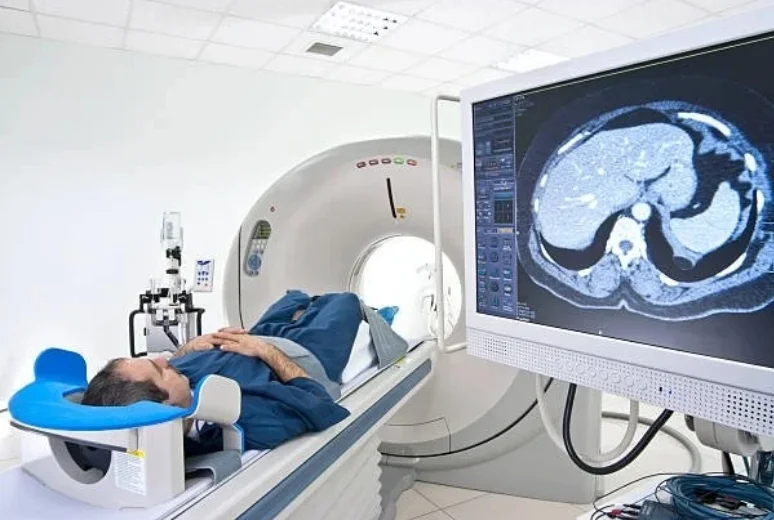
A PET-CT scan combines two imaging techniques into one detailed study.
Understanding the PET Component
PET (Positron Emission Tomography) detects areas of increased metabolic activity in the body. Since cancer cells usually grow faster than normal cells, they often consume more glucose and appear as “hot spots” on the scan.
Understanding the CT Component
CT (Computed Tomography) provides detailed images of internal organs, tissues, and bones. It helps identify the exact location, size, and shape of abnormalities.
Why Combining Both Is Useful
Together, PET and CT provide both functional and structural information, allowing doctors to better understand the extent of disease.
What Can a PET-CT Scan Detect?
Detecting the Spread of Cancer
One of the biggest advantages of PET-CT is its ability to identify whether cancer has spread to lymph nodes or distant organs. This helps determine the stage of cancer and guides treatment decisions.
Finding Recurrent or Hidden Cancer
In some patients, symptoms may persist even when routine scans appear normal. PET-CT can sometimes detect hidden or recurrent tumors earlier than standard imaging.
Monitoring Treatment Response
A cancer doctor may recommend PET-CT during or after treatment to evaluate how effectively chemotherapy, radiation, or targeted therapy is working.
Assisting in Surgical Planning
A cancer surgeon often uses PET-CT findings to understand the extent of disease before surgery. This helps in planning safer and more precise procedures.
What PET-CT Scans Cannot Reliably Detect
Despite its advanced technology, PET-CT has certain limitations that patients should understand.
Very Small Tumors May Be Missed
Tiny tumors or microscopic cancer cells may not show enough metabolic activity to appear clearly on the scan.
Not Every Abnormal Area Is Cancer
Inflammation, infections, and healing tissues can sometimes appear active on PET-CT, creating false-positive results. This is why biopsy or additional tests may still be required.
Some Slow-Growing Cancers May Not Show Clearly
Certain cancers grow slowly and do not absorb enough tracer to be easily detected by PET imaging.
When Do Doctors Usually Recommend a PET-CT Scan?
During Cancer Staging
PET-CT is commonly used after diagnosis to determine how far cancer has spread.
Before Major Cancer Surgery
A cancer surgeon may use PET-CT findings to assess whether surgery is the best treatment option and to plan the procedure accurately.
After Treatment Completion
Doctors may recommend follow-up PET-CT scans to check for recurrence or remaining disease.
How Should Patients Prepare for a PET-CT Scan?
Patients are usually advised to avoid heavy meals and fast for several hours before the scan. Proper preparation is important because blood sugar levels can affect scan accuracy. Following the medical team’s instructions carefully helps ensure reliable results.
Why PET-CT Results Need Expert Interpretation
A PET-CT scan should never be viewed in isolation. The results must be interpreted along with biopsy reports, blood tests, physical examination, and the patient’s overall clinical condition.
Experienced specialists understand how to differentiate between cancer activity and non-cancerous findings, reducing the chances of unnecessary fear or incorrect conclusions.
Common Misconceptions About PET-CT Scans
“PET-CT Can Detect Every Cancer”
No imaging test can identify all cancers with 100% accuracy. PET-CT is highly useful, but additional investigations may still be necessary.
“A Normal PET-CT Means There Is No Cancer”
Some cancers may not appear clearly on PET imaging, especially in early stages or slow-growing forms.
Final Thoughts: PET-CT Is a Powerful Tool, But Not a Perfect One
PET-CT scans play a major role in modern cancer care by helping detect, stage, and monitor disease. They provide valuable information that supports treatment planning and improves decision-making. However, understanding their limitations is equally important.
The best outcomes come from combining advanced imaging with expert medical evaluation, timely diagnosis, and personalized care.
Need Guidance About a PET-CT Scan?
If you have been advised a PET-CT scan or are seeking expert cancer evaluation, consult an experienced surgical oncologist for accurate interpretation and treatment planning. Early diagnosis and the right medical guidance can make a significant difference in cancer care and recovery.