Biopsy Spreads Cancer? The Truth Every Indian Family Must Know
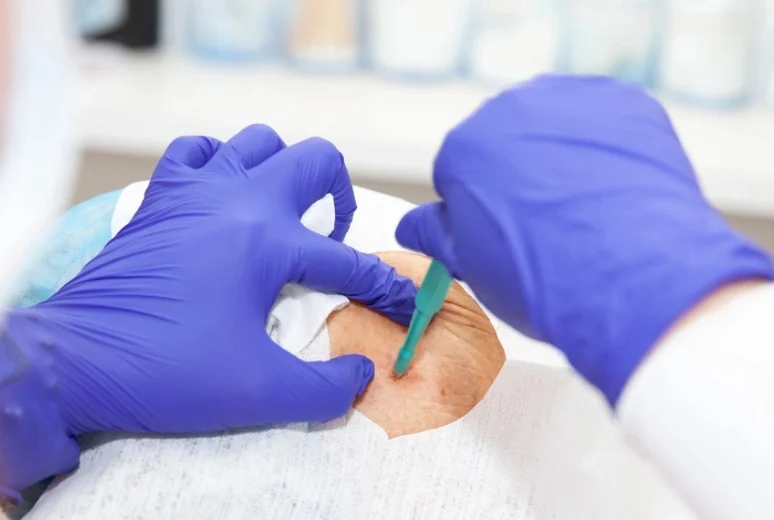
One of the most common fears among cancer patients and their families in India is the belief that a biopsy can spread cancer. Because of this misconception, many people delay testing, avoid medical consultation, or hesitate to start proper treatment. Unfortunately, this fear often causes more harm than the biopsy itself.
The truth is that a biopsy is one of the most important steps in cancer diagnosis. It helps doctors confirm whether a suspicious lump or abnormal tissue is cancerous and allows them to plan the most appropriate cancer treatment. Understanding the facts behind this common myth can help families make informed decisions without unnecessary fear.
Why Do People Believe Biopsies Spread Cancer?
This myth has existed for many years and is often passed through word of mouth or misinformation.
Fear and Lack of Awareness
Many patients believe that “touching” or “cutting” a tumor during a biopsy causes cancer cells to spread throughout the body.
Stories and Misunderstandings
In some cases, patients are diagnosed at an advanced stage shortly after biopsy, leading families to incorrectly assume that the procedure caused the disease to worsen. In reality, the cancer was already progressing before diagnosis.
What Is a Biopsy and Why Is It Necessary?
A biopsy is a medical procedure in which a small sample of tissue is removed and examined under a microscope. It is considered the gold standard for confirming cancer.
Why Scans Alone Are Not Enough
Imaging tests such as CT scans, MRI, or PET scans can identify suspicious areas, but they cannot always confirm whether the abnormality is cancerous. A biopsy provides the final diagnosis needed for accurate treatment planning.
How Biopsy Helps Guide Cancer Treatment
The biopsy report helps doctors identify the type, grade, and behaviour of cancer. This information is essential for selecting the most effective cancer treatment for each patient.
Can a Biopsy Actually Spread Cancer?
In modern medicine, the risk of cancer spreading because of a biopsy is extremely rare.
Advanced Techniques Make Biopsies Safe
Today’s biopsy procedures are performed using highly controlled and standardized methods designed to minimize any risk. Needle biopsies, image-guided biopsies, and minimally invasive techniques are widely used across the world.
Medical Research Does Not Support This Myth
Scientific evidence shows that biopsies are safe and do not significantly increase the risk of cancer spread in the vast majority of cases.
The Bigger Risk Is Delaying Diagnosis
Avoiding biopsy out of fear can delay diagnosis and treatment, allowing cancer to progress to more advanced stages.
Why Early Diagnosis Is So Important
Cancer outcomes are often much better when the disease is detected early.
Better Chances of Successful Treatment
Early-stage cancers are usually easier to treat and may require less aggressive therapies.
Reduced Treatment Complexity
When cancer is diagnosed late, patients may need extensive surgery, chemotherapy, or radiation therapy. Early detection often allows for simpler and more effective treatment plans.
Types of Biopsies Commonly Used in Cancer Care
Needle Biopsy
A thin needle is used to collect tissue from a suspicious lump or organ. This is one of the most common and minimally invasive biopsy methods.
Endoscopic or Image-Guided Biopsy
Special imaging or endoscopic tools help doctors safely reach difficult areas inside the body.
Surgical Biopsy
In some situations, a surgical oncologist may perform a surgical biopsy to remove a larger tissue sample for detailed examination.
Why Expert Evaluation Matters
An experienced specialist understands how to perform biopsies safely while ensuring accurate diagnosis. A skilled surgical oncologist carefully plans the procedure based on the location and type of suspected cancer.
Proper diagnosis is the foundation of effective cancer treatment. Without biopsy confirmation, treatment decisions may be inaccurate or delayed.
Signs You Should Never Ignore
Certain symptoms should always be evaluated by a doctor, including:
- Persistent lumps or swelling
- Non-healing ulcers
- Unexplained bleeding
- Sudden weight loss
- Difficulty swallowing or speaking
Seeking timely medical advice can help detect problems early and improve outcomes.
Facts Should Guide Decisions, Not Fear
The belief that biopsies spread cancer is a harmful myth that continues to delay diagnosis and treatment for many patients. In reality, biopsies are safe, essential, and critical for accurate cancer diagnosis.
Choosing timely medical evaluation over fear can make a life-saving difference. The sooner cancer is diagnosed, the better the chances of successful treatment and recovery.
Don’t Delay Cancer Evaluation
If you or a loved one has been advised to undergo a biopsy, consult an experienced cancer doctor without hesitation. Accurate diagnosis, expert guidance, and timely cancer treatment can significantly improve outcomes and provide peace of mind for the entire family.