
Oncology

Oncology

PET-CT Scan Explained: What It Can and Cannot Detect in Cancer

PET-CT Scan Explained: What It Can and Cannot Detect in Cancer When patients hear the word “PET-CT scan,” they often assume it can detect every type of cancer with complete accuracy. While PET-CT is one of the most advanced imaging tools used in modern oncology, it is important to understand that it has both strengths and limitations. Knowing what this scan can and cannot detect helps patients make informed decisions and reduces unnecessary anxiety during cancer evaluation. PET-CT scans are widely used by a cancer doctor to diagnose, stage, and monitor various cancers. They provide valuable information that can guide treatment planning and help determine how well therapies are working. However, like any medical test, PET-CT is not perfect and must always be interpreted alongside clinical examination and other investigations. What Is a PET-CT Scan? A PET-CT scan combines two imaging techniques into one detailed study. Understanding the PET Component PET (Positron Emission Tomography) detects areas of increased metabolic activity in the body. Since cancer cells usually grow faster than normal cells, they often consume more glucose and appear as “hot spots” on the scan. Understanding the CT Component CT (Computed Tomography) provides detailed images of internal organs, tissues, and bones. It helps identify the exact location, size, and shape of abnormalities. Why Combining Both Is Useful Together, PET and CT provide both functional and structural information, allowing doctors to better understand the extent of disease. What Can a PET-CT Scan Detect? Detecting the Spread of Cancer One of the biggest advantages of PET-CT is its ability to identify whether cancer has spread to lymph nodes or distant organs. This helps determine the stage of cancer and guides treatment decisions. Finding Recurrent or Hidden Cancer In some patients, symptoms may persist even when routine scans appear normal. PET-CT can sometimes detect hidden or recurrent tumors earlier than standard imaging. Monitoring Treatment Response A cancer doctor may recommend PET-CT during or after treatment to evaluate how effectively chemotherapy, radiation, or targeted therapy is working. Assisting in Surgical Planning A cancer surgeon often uses PET-CT findings to understand the extent of disease before surgery. This helps in planning safer and more precise procedures. What PET-CT Scans Cannot Reliably Detect Despite its advanced technology, PET-CT has certain limitations that patients should understand. Very Small Tumors May Be Missed Tiny tumors or microscopic cancer cells may not show enough metabolic activity to appear clearly on the scan. Not Every Abnormal Area Is Cancer Inflammation, infections, and healing tissues can sometimes appear active on PET-CT, creating false-positive results. This is why biopsy or additional tests may still be required.Some Slow-Growing Cancers May Not Show Clearly Certain cancers grow slowly and do not absorb enough tracer to be easily detected by PET imaging. When Do Doctors Usually Recommend a PET-CT Scan? During Cancer Staging PET-CT is commonly used after diagnosis to determine how far cancer has spread. Before Major Cancer Surgery A cancer surgeon may use PET-CT findings to assess whether surgery is the best treatment option and to plan the procedure accurately. After Treatment Completion Doctors may recommend follow-up PET-CT scans to check for recurrence or remaining disease. How Should Patients Prepare for a PET-CT Scan? Patients are usually advised to avoid heavy meals and fast for several hours before the scan. Proper preparation is important because blood sugar levels can affect scan accuracy. Following the medical team’s instructions carefully helps ensure reliable results. Why PET-CT Results Need Expert Interpretation A PET-CT scan should never be viewed in isolation. The results must be interpreted along with biopsy reports, blood tests, physical examination, and the patient’s overall clinical condition. Experienced specialists understand how to differentiate between cancer activity and non-cancerous findings, reducing the chances of unnecessary fear or incorrect conclusions. Common Misconceptions About PET-CT Scans “PET-CT Can Detect Every Cancer” No imaging test can identify all cancers with 100% accuracy. PET-CT is highly useful, but additional investigations may still be necessary. “A Normal PET-CT Means There Is No Cancer” Some cancers may not appear clearly on PET imaging, especially in early stages or slow-growing forms. Final Thoughts: PET-CT Is a Powerful Tool, But Not a Perfect One PET-CT scans play a major role in modern cancer care by helping detect, stage, and monitor disease. They provide valuable information that supports treatment planning and improves decision-making. However, understanding their limitations is equally important. The best outcomes come from combining advanced imaging with expert medical evaluation, timely diagnosis, and personalized care. Need Guidance About a PET-CT Scan? If you have been advised a PET-CT scan or are seeking expert cancer evaluation, consult an experienced surgical oncologist for accurate interpretation and treatment planning. Early diagnosis and the right medical guidance can make a significant difference in cancer care and recovery.

Oncology

Biopsy Spreads Cancer? The Truth Every Indian Family Must Know

Biopsy Spreads Cancer? The Truth Every Indian Family Must Know One of the most common fears among cancer patients and their families in India is the belief that a biopsy can spread cancer. Because of this misconception, many people delay testing, avoid medical consultation, or hesitate to start proper treatment. Unfortunately, this fear often causes more harm than the biopsy itself. The truth is that a biopsy is one of the most important steps in cancer diagnosis. It helps doctors confirm whether a suspicious lump or abnormal tissue is cancerous and allows them to plan the most appropriate cancer treatment. Understanding the facts behind this common myth can help families make informed decisions without unnecessary fear. Why Do People Believe Biopsies Spread Cancer? This myth has existed for many years and is often passed through word of mouth or misinformation. Fear and Lack of Awareness Many patients believe that “touching” or “cutting” a tumor during a biopsy causes cancer cells to spread throughout the body. Stories and Misunderstandings In some cases, patients are diagnosed at an advanced stage shortly after biopsy, leading families to incorrectly assume that the procedure caused the disease to worsen. In reality, the cancer was already progressing before diagnosis. What Is a Biopsy and Why Is It Necessary? A biopsy is a medical procedure in which a small sample of tissue is removed and examined under a microscope. It is considered the gold standard for confirming cancer. Why Scans Alone Are Not Enough Imaging tests such as CT scans, MRI, or PET scans can identify suspicious areas, but they cannot always confirm whether the abnormality is cancerous. A biopsy provides the final diagnosis needed for accurate treatment planning. How Biopsy Helps Guide Cancer Treatment The biopsy report helps doctors identify the type, grade, and behaviour of cancer. This information is essential for selecting the most effective cancer treatment for each patient. Can a Biopsy Actually Spread Cancer? In modern medicine, the risk of cancer spreading because of a biopsy is extremely rare. Advanced Techniques Make Biopsies Safe Today’s biopsy procedures are performed using highly controlled and standardized methods designed to minimize any risk. Needle biopsies, image-guided biopsies, and minimally invasive techniques are widely used across the world. Medical Research Does Not Support This Myth Scientific evidence shows that biopsies are safe and do not significantly increase the risk of cancer spread in the vast majority of cases. The Bigger Risk Is Delaying Diagnosis Avoiding biopsy out of fear can delay diagnosis and treatment, allowing cancer to progress to more advanced stages. Why Early Diagnosis Is So Important Cancer outcomes are often much better when the disease is detected early. Better Chances of Successful Treatment Early-stage cancers are usually easier to treat and may require less aggressive therapies. Reduced Treatment Complexity When cancer is diagnosed late, patients may need extensive surgery, chemotherapy, or radiation therapy. Early detection often allows for simpler and more effective treatment plans. Types of Biopsies Commonly Used in Cancer Care Needle Biopsy A thin needle is used to collect tissue from a suspicious lump or organ. This is one of the most common and minimally invasive biopsy methods. Endoscopic or Image-Guided Biopsy Special imaging or endoscopic tools help doctors safely reach difficult areas inside the body. Surgical Biopsy In some situations, a surgical oncologist may perform a surgical biopsy to remove a larger tissue sample for detailed examination. Why Expert Evaluation Matters An experienced specialist understands how to perform biopsies safely while ensuring accurate diagnosis. A skilled surgical oncologist carefully plans the procedure based on the location and type of suspected cancer. Proper diagnosis is the foundation of effective cancer treatment. Without biopsy confirmation, treatment decisions may be inaccurate or delayed. Signs You Should Never Ignore Certain symptoms should always be evaluated by a doctor, including: Persistent lumps or swelling Non-healing ulcers Unexplained bleeding Sudden weight loss Difficulty swallowing or speaking Seeking timely medical advice can help detect problems early and improve outcomes. Facts Should Guide Decisions, Not Fear The belief that biopsies spread cancer is a harmful myth that continues to delay diagnosis and treatment for many patients. In reality, biopsies are safe, essential, and critical for accurate cancer diagnosis. Choosing timely medical evaluation over fear can make a life-saving difference. The sooner cancer is diagnosed, the better the chances of successful treatment and recovery. Don’t Delay Cancer Evaluation If you or a loved one has been advised to undergo a biopsy, consult an experienced cancer doctor without hesitation. Accurate diagnosis, expert guidance, and timely cancer treatment can significantly improve outcomes and provide peace of mind for the entire family.

Oncology

A Doctor’s Guide to Thyroid Nodules: When to Worry and When to Relax

A Doctor’s Guide to Thyroid Nodules: When to Worry and When to Relax Finding a lump in the neck can be worrying, especially when it is related to the thyroid gland. Many patients notice thyroid swelling during routine activities like swallowing or looking in the mirror, which often leads to anxiety about serious illness. The good news is that most thyroid nodules are harmless and do not require aggressive treatment. However, knowing when to stay calm and when to seek medical attention is essential for protecting your health. A thyroid nodule is simply a growth or lump within the thyroid gland. These nodules are quite common and are often detected during a physical examination or imaging test. While most are benign, a small percentage may need further evaluation to rule out complications. Understanding this difference can help you make confident and timely decisions. What Causes Thyroid Nodules? Thyroid nodules can develop due to several reasons, and not all of them are serious. Common Causes Behind Thyroid SwellingIn many cases, thyroid swelling occurs due to iodine deficiency, fluid-filled cysts, or overgrowth of normal thyroid tissue. These conditions are usually non-cancerous and manageable. Hormonal Imbalances and Thyroid FunctionSometimes, nodules can affect hormone production, leading to symptoms like weight changes, fatigue, or increased heart rate. Proper evaluation helps determine the exact cause. Thyroid Swelling: When Is It Normal and When Should You Worry?Not every thyroid nodule is a cause for concern, but certain signs should not be ignored. When You Can Relax Small nodules that do not grow or cause symptoms are usually harmless. Many patients live with them without any impact on daily life. Regular monitoring is often all that is needed. Warning Signs That Need Attention If the thyroid swelling increases in size, causes difficulty in swallowing or breathing, or leads to voice changes, it is important to consult a specialist. Rapid growth or persistent discomfort should always be evaluated. Symptoms That May Indicate a ProblemWhile many nodules are silent, some may present noticeable symptoms. Physical SymptomsA visible lump in the neck, pressure sensation, or discomfort while swallowing may indicate a growing nodule. Hormonal SymptomsIf the nodule affects thyroid function, patients may experience anxiety, unexplained weight loss, fatigue, or irregular heartbeat. When Should You Be Concerned About a Thyroid Nodule? Certain factors increase the need for careful medical evaluation. Changes in Size or ShapeA nodule that grows quickly or feels hard may require further investigation. Risk Factors to ConsiderA family history of thyroid disease, previous radiation exposure, or specific age groups can increase the risk of complications. When Is Monitoring Enough? Not all nodules require immediate intervention. Stable and Non-Symptomatic NodulesIf the nodule remains unchanged and does not cause symptoms, doctors often recommend regular follow-ups instead of immediate treatment. Importance of Routine Check-UpsPeriodic ultrasound and clinical exams help ensure that the nodule remains harmless over time. Thyroid Nodule Treatment: What Are Your Options? The approach to thyroid nodule treatment depends on the nature and behavior of the nodule. Observation and Medical ManagementBenign nodules may only need monitoring or medication to manage symptoms. Surgical Treatment When NeededIf the nodule is large, symptomatic, or suspicious, surgery may be recommended to remove it safely and prevent complications. Why Expert Evaluation Matters Accurate diagnosis is the key to avoiding unnecessary worry or delayed treatment. Advanced diagnostic tools like ultrasound and biopsy help determine whether a nodule is benign or requires intervention. With expert guidance from specialists like Dr. Bhavin Vadodariya, patients receive a clear diagnosis and a personalized treatment plan. His approach focuses on balancing safety, precision, and patient comfort, ensuring that every individual receives the right care at the right time. When Should You Consult a Specialist? Early consultation can make a significant difference in outcomes. Signs You Should Not IgnorePersistent thyroid swelling, rapid growth of a lump, or associated symptoms should prompt immediate medical attention. Benefits of Early DiagnosisTimely evaluation allows for simpler treatment and reduces the risk of complications. Takeaway: Stay Informed and Stay ReassuredMost thyroid nodules are not dangerous, and many patients can safely manage them with regular monitoring. However, ignoring symptoms or delaying evaluation can lead to unnecessary risks. Understanding your condition and seeking timely medical advice helps you stay in control of your health. Take the Next Step Toward Thyroid Health If you have noticed thyroid swelling or have concerns about a thyroid nodule, don’t rely on guesswork. Consult an experienced specialist like Dr. Bhavin Vadodariya for accurate diagnosis and the most suitable thyroid nodule treatment. Early guidance not only provides clarity but also ensures peace of mind and better long-term health.

Oncology

Why Oral Cancer Is Often Diagnosed Late in India: A Surgeon’s Perspective

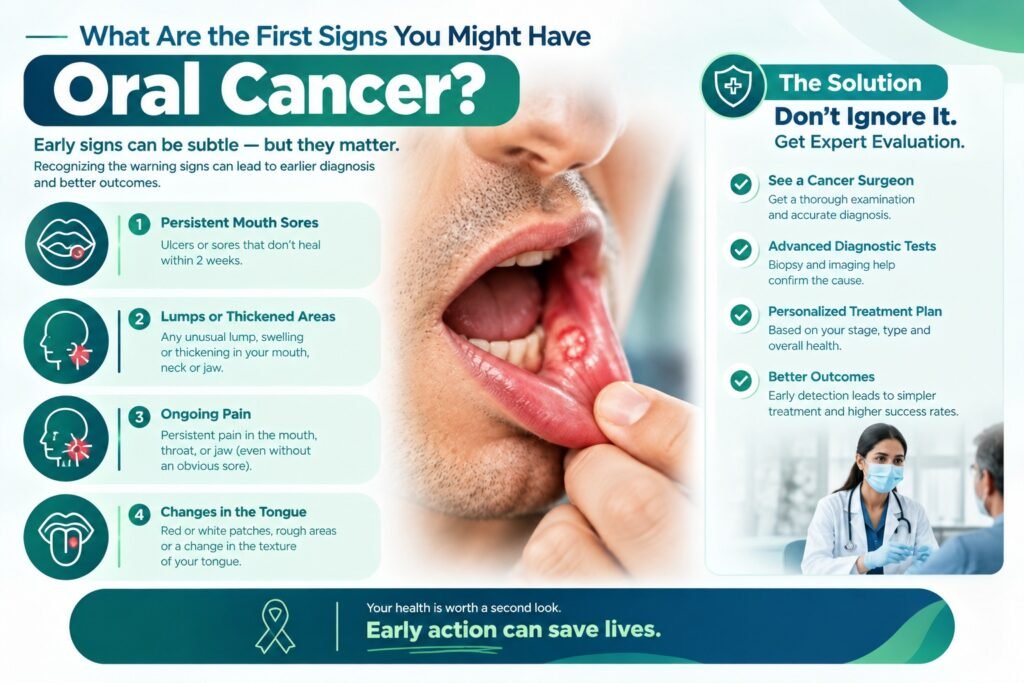
Why Oral Cancer Is Often Diagnosed Late in India: A Surgeon’s Perspective Oral cancer remains one of the most common cancers in India, yet a large number of patients are diagnosed at an advanced stage. From a surgeon’s perspective, this delay is not due to a single reason but a combination of awareness gaps, lifestyle factors, and hesitation in seeking timely care. While early-stage oral cancer is often treatable with good outcomes, late diagnosis can make treatment more complex and impact survival. Understanding why patients present late is the first step toward improving outcomes and encouraging timely intervention.  The Reality of Oral Cancer in India India carries a significant burden of oral cancer cases, largely linked to lifestyle habits such as tobacco and areca nut use. Despite the visibility of the disease since it affects the mouth many cases go unnoticed until symptoms become severe. In clinical practice, surgeons often encounter patients when the disease has already progressed, requiring more extensive treatment than would have been needed at an earlier stage. Why Do Patients Delay Seeking Treatment? Ignoring Early Symptoms- Early signs like mouth ulcers, white or red patches, and minor discomfort are often painless. Patients tend to overlook these symptoms, assuming they will heal on their own. Lack of Awareness- Many individuals are not aware that persistent oral changes could be early indicators of cancer. This lack of knowledge leads to delayed medical consultation. Social and Cultural Factors- Fear of diagnosis, social stigma, and hesitation to discuss oral health issues can prevent patients from seeking timely care. Reliance on Home Remedies- It is common for patients to try home remedies or over-the-counter treatments before consulting a specialist, which can delay proper diagnosis. What Surgeons Commonly See in Practice Advanced-Stage Presentation- A significant number of oral cancer patients present in Stage III or IV, where the disease has already spread locally or regionally. Increased Complexity of Treatment– Late-stage cases often require a combination of surgery, radiation, and chemotherapy. Surgical procedures may become more extensive, sometimes affecting speech and swallowing functions. Consequences of Late Diagnosis– Reduced Chances of Cure When detected early, oral cancer has a high survival rate. However, delays can significantly reduce the chances of complete recovery. More Aggressive Treatment- Advanced cancer often requires intensive treatment, which can be physically and emotionally demanding for patients. Impact on Quality of Life- Late-stage treatment may involve complex surgeries that affect appearance and daily functions, making recovery more challenging. Early Signs You Should Never Ignore Persistent Mouth Ulcers- Any ulcer that does not heal within two weeks should be evaluated by a specialist. Unusual Lumps or Patches– White, red, or mixed patches in the mouth can be early warning signs. Difficulty in Chewing or Swallowing- Changes in normal oral function should not be ignored. How Early Consultation Can Change Outcomes Seeking medical advice at the right time can make a significant difference. Early diagnosis often allows for simpler surgical procedures and better recovery. It also reduces the need for aggressive treatments and improves overall quality of life. Consulting an experienced specialist ensures accurate diagnosis and a well-planned treatment approach from the beginning. The Importance of Choosing the Right Specialist Oral cancer treatment requires precision, expertise, and a comprehensive approach. Patients benefit from consulting an experienced oral cancer surgeon in Ahmedabad, such as Dr. Bhavin Vadodariya, who focuses on accurate diagnosis and structured surgical care. His approach emphasizes timely intervention, patient education, and personalized treatment planning to achieve the best possible outcomes. When Should You Seek Medical Help? Do not wait for symptoms to worsen. If you notice any persistent oral changes, seek medical advice promptly. Early evaluation not only improves treatment success but also reduces complications. Takeaway: Awareness Can Save Lives Late diagnosis of oral cancer in India is a serious concern, but it is largely preventable. Recognizing early symptoms, avoiding delays, and seeking timely medical care can significantly improve outcomes. Taking action at the right time can make the difference between simple treatment and complex intervention. Take the First Step Towards Timely Care If you or your loved one notice any unusual symptoms in the mouth, don’t delay consultation. Early diagnosis and expert care can make a life-saving difference. Connect with a qualified specialist today and take control of your health with confidence.

Oncology

Why Delaying Cancer Surgery Can Lead to Serious Health Risks

Why Delaying Cancer Surgery Can Lead to Serious Health Risks Cancer is a condition where timely treatment plays a critical role in outcomes. When surgery is advised, it is usually because removing the tumor at the right stage offers the best chance for recovery. However, many patients delay this important step due to fear, confusion, or practical challenges. While a short delay may seem harmless, it can significantly affect the course of the disease. Understanding the risks of postponing cancer surgery can help patients make informed and timely decisions. Understanding Why Patients Delay Cancer Surgery Delaying cancer surgery is more common than many realize, and the reasons are often complex and personal. Lack of Awareness About Symptoms– Early symptoms of cancer are often mild or non-specific. Many patients ignore warning signs, assuming they are temporary or unrelated to a serious condition. Fear and Emotional Stress– A cancer diagnosis can be overwhelming. Fear of surgery, anesthesia, or outcomes may cause patients to postpone treatment decisions. Financial and Accessibility Challenges– Cost of treatment, travel concerns, or lack of access to specialized care can contribute to delays, especially when patients are unsure about available options. Seeking Multiple Opinions– While second opinions are helpful, excessive delays in decision-making can unintentionally allow the disease to progress. What Happens When Cancer Surgery Is Delayed? Cancer is not a static disease. Over time, it can grow and spread, making treatment more complex. Tumor Growth and Progression- As time passes, tumors may increase in size, making surgery more extensive and challenging. Increased Risk of Spread (Metastasis)- Delayed treatment allows cancer cells to spread to nearby tissues or distant organs, reducing the chances of complete removal. Limited Treatment Options– Early-stage cancers often require simpler procedures. Delays may lead to the need for combined treatments like chemotherapy or radiation along with surgery. Impact of Delay on Survival and Recovery- Timely surgery is directly linked to better survival outcomes. Reduced Chances of Cure- Early intervention offers the highest likelihood of curing many cancers. Delaying surgery can reduce this possibility significantly. Higher Risk of Complications- Advanced cancer stages often require more aggressive treatments, which may increase the risk of complications and longer recovery times. Psychological and Social Factors Behind Delay- Emotional and social influences often play a hidden role in delaying treatment. Fear of Physical Changes- Concerns about scars, body image, or lifestyle changes after surgery may cause hesitation. Social Stigma and Misconceptions- In some cases, stigma or misinformation about cancer treatment can prevent patients from seeking timely care. Benefits of Timely Cancer Surgery Taking prompt action can make a significant difference in outcomes and overall well-being. Better Treatment Success Rates- Early surgery improves the chances of complete tumor removal and long-term survival. Faster Recovery and Improved Quality of Life- Less advanced disease often means less extensive procedures and quicker return to normal life. When Should You Consult a Specialist? Recognizing when to seek medical help is essential for early intervention. Warning Signs You Should Not Ignore- Persistent lumps, unexplained weight loss, abnormal bleeding, or long-lasting pain should always be evaluated by a specialist. Importance of Early Diagnosis- Early consultation allows for accurate diagnosis and a well-planned treatment approach, reducing the need for complex procedures later. The Takeaway: Don’t Let Delay Decide Your Outcome Delaying cancer surgery can turn a potentially manageable condition into a more serious health challenge. Acting at the right time not only improves treatment success but also reduces emotional and physical stress in the long run. Being informed, seeking timely medical advice, and making confident decisions can significantly improve outcomes. Take the First Step Toward Timely Cancer Care If you or your loved one has been advised cancer surgery, do not delay seeking expert guidance. Early evaluation and treatment planning can make a life-saving difference. Book a consultation with a qualified cancer specialist today and take a proactive step toward better health.

Oncology

PM-JAY and Oncology in India: Progress, Policy Shock, and the Need for Balance

PM-JAY and Oncology in India: Progress, Policy Shock, and the Need for Balance A Surgical Oncologist’s Perspective Over the last decade, oncology care in India especially in Gujarat has undergone a profound transformation. Much of this shift has been driven by government-backed schemes, culminating in Pradhan Mantri Jan Arogya Yojana (PM-JAY). As a practicing surgical oncologist working across metro as well as peripheral centres, I have witnessed this transition closely from a highly centralized, overburdened system to a more distributed, structured, and accessible oncology ecosystem. However, recent developments suggesting that MD-qualified oncologists may no longer be eligible for PM-JAY empanelment have created significant concern within the medical community. Particularly in cities like Ahmedabad, where a large number of experienced clinicians fall into this category, the implications are substantial. This moment requires not reaction but reflection, balance, and system-level thinking. Where We Started: The Pre-PM-JAY Reality Around 2015–16, before PM-JAY and during the Ma Yojana era, cancer care for economically weaker patients was largely dependent on government institutions like the Gujarat Cancer and Research Institute. Long waiting lists were the norm, hospitals were severely overburdened, and delays in surgery and treatment were common. Outside this system, oncology care was available only at selected corporate hospitals, which were financially out of reach for most patients. As a result, many patients underwent cancer surgeries in small nursing homes, ENT or general surgery setups, and low-resource environments with basic infrastructure. These setups often lacked ICU backup, multidisciplinary planning, and standard oncological protocols. The patient journey was fragmented, and outcomes were inconsistent. What PM-JAY Changed: A System-Level Transformation The introduction of PM-JAY marked a turning point not just financially, but structurally. Cancer care began to decentralize, expanding beyond metro cities into districts such as Mehsana, Patan, Palanpur, Himmatnagar, Surat, Rajkot, Bhuj, and Navsari. Patients no longer needed to travel long distances for treatment. Large private hospitals also began participating in government schemes. This brought advanced operation theatre infrastructure, ICU support, and standardized surgical oncology care to patients who previously could not afford such facilities. Treatment pathways became more structured. A biopsy diagnosis increasingly led to direct referral to a cancer centre, reducing delays, unnecessary intermediate procedures, and fragmented care. Multidisciplinary oncology also saw significant growth. Tumor boards and integrated care models became more common, allowing patients to receive evidence-based decisions and combine modality treatment surgery, chemotherapy, and radiation within one coordinated system. At the same time, increased awareness reduced the role of middlemen. Patients began approaching cancer centres directly, minimizing referral exploitation and reducing repeat or suboptimal surgeries in smaller setups. Impact on Patients The most significant beneficiaries of PM-JAY have been the patients. Access to treatment improved, financial burden reduced, waiting times shortened, and treatment compliance increased due to proximity of care. Importantly, patients in Tier 2 and Tier 3 cities could now receive treatment closer to home, often while continuing their daily lives. This led to lower dropout rates and better overall outcomes. Impact on the Oncology Ecosystem PM-JAY also catalysed systemic growth across the oncology ecosystem. There has been a visible expansion of oncology centres across regions, along with the growth of DNB and structured training programs. Young surgeons are now getting better exposure, and there is a clear shift towards specialised, protocol-driven oncology care. This transformation has strengthened the future workforce of oncology in India. Impact on the Oncology Ecosystem PM-JAY also catalysed systemic growth across the oncology ecosystem. There has been a visible expansion of oncology centres across regions, along with the growth of DNB and structured training programs. Young surgeons are now getting better exposure, and there is a clear shift towards specialised, protocol-driven oncology care. This transformation has strengthened the future workforce of oncology in India. The Current Policy Shift: Understanding the Intent The move to restrict empanelment to DM/MCh/DrNB-qualified oncologists is not without rationale. Oncology today is highly specialised, protocol-driven, and outcome-sensitive. There is a legitimate need to standardise care, ensure quality, and reduce variability. From a policy standpoint, this shift aims to align Indian oncology care with global standards. Where the Policy Risks Missing Ground Reality However, policy must remain grounded in real-world constraints. India already faces a shortage of trained oncologists. Excluding experienced MD/MS practitioners may reduce the available workforce and create access gaps, especially in non-metro regions. Experience versus qualification is another critical concern. Many MD-qualified oncologists bring 20–25 years of experience, have managed large volumes of cancer patients, and have contributed significantly to care delivery and training. Ignoring this experience risks losing valuable clinical expertise. The impact on rural and semi-urban areas could be particularly severe. Smaller towns may face a healthcare vacuum, forcing patients to travel again, increasing treatment delays, and potentially reversing the gains achieved through decentralisation. The Core Issue: A System Design Challenge This is not a conflict between superspecialists and experienced doctors. It is a balance between standardisation and accessibility both of which are essential and cannot be compromised. The Way Forward: Practical, Balanced Solutions The answer lies in refining the system, not reversing progress. A transitional empanelment pathway could allow experienced MD/MS oncologists to continue under PM-JAY through case volume validation, outcome-based assessments, and periodic credential reviews. A tiered oncology care model can help differentiate between early and complex cases. Basic or early-stage cancers may be managed by experienced practitioners, while advanced cases are referred to superspecialist centres. This ensures both access and quality. Structured referral systems are equally important. Clear guidelines must define which cases can be managed locally and when escalation is necessary, preventing both overtreatment and delays. Expanding oncology training is another key step. Increasing DrNB and MCh seats, expanding fellowships, and introducing skill-based certification pathways will help bridge the workforce gap. Finally, rationalising PM-JAY packages through periodic revision and realistic costing of advanced procedures is essential for long-term sustainability. Final Perspective PM-JAY has already transformed oncology in India from centralised to decentralised, from unaffordable to accessible, and from fragmented to structured. The current policy shift aims to improve quality. However, without flexibility, it

Oncology

Parathyroid Adenoma: The Silent Disease Behind Fatigue, Kidney Stones, and Bone Loss

Parathyroid Adenoma: The Silent Disease Behind Fatigue, Kidney Stones, and Bone Loss Most patients come in with a simple problem: “Doctor, I feel very weak…” “बार-बार kidney stones हो रहे हैं…” “Calcium high aa रहा है, लेकन समझ नहीं आ रहा क्यों…” A lot of the time, the real diagnosis is missed for months or even years. Why? This condition is not thought of as early by many people, including doctors. What really caused it? The real cause? Parathyroid Adenoma. What is Parathyroid Adenoma? There are four small parathyroid glands behind your thyroid. Their main job is to keep the calcium levels in your body in check. But when one of these glands gets a benign tumor (adenoma), it starts making too much hormone (PTH). This makes the calcium levels in the blood too high. This condition is known as Primary Hyperparathyroidism. Why is it Called a “Silent Disease”? People don’t pay attention to the symptoms of this disease because they are vague and don’t make noise. Patients often keep seeing general doctors, orthopedic specialists, or even psychiatrists. Even after many visits, the real cause is often still unknown. Symptoms People Ignore for Years These are common but frequently overlooked signs: ● Persistent fatigue ● Body aches or bone pain ● Recurrent kidney stones ● Depression or mood changes ● Constipation ● Memory issues Many patients continue to receive only symptomatic treatment without identifying the underlying cause. The Calcium Story When parathyroid hormone levels increase: ● Calcium is pulled out from bones, leading to bone weakness ● Kidneys filter excess calcium, resulting in stone formation ● Blood calcium rises, causing fatigue and confusion In simple terms: Bones become weak, kidneys develop stones, and the body feels constantly exhausted. When Should You Suspect Parathyroid Disease? You should consider testing if you have: ● Repeated kidney stones ● Unexplained high calcium levels ● Persistent fatigue without a clear reason ● Bone loss at a younger age A simple blood test Calcium and PTH can make a significant difference. How is Parathyroid Adenoma Diagnosed? Diagnosis typically involves: ● Blood calcium level testing ● Parathyroid hormone (PTH) test ● Imaging such as ultrasound or Sestamibi scan Once the abnormal gland is identified, treatment becomes much more straightforward. Is There Any Medicine for This? The short answer is no, medicines won’t fix the problem for good. Surgery is the only permanent and long-term solution. Medications may help with symptoms for a short time. Role of Surgery Parathyroid surgery involves identifying and precisely removing the abnormal gland. Once the gland is removed: ● Calcium levels return to normal ● Symptoms improve significantly ● Kidney stones stop recurring Modern Parathyroid Surgery: Precision Matters Today, parathyroid surgery is highly advanced and precise. Modern techniques include: ● NIRAF (Near Infrared Autofluorescence): Helps in instantly identifying parathyroid glands ● ICG Fluorescence Imaging: Confirms gland blood supply and function This results in higher accuracy, lower complication risk, and faster recovery. Real Impact After Surgery Patients often say, “Doctor, I feel like a new person.” After surgery: ● Energy levels improve ● Pain reduces ● Mental clarity returns This is one of the few surgical treatments that provides immediate biochemical as well as symptomatic relief. Why This Disease is Often Missed in India There are several reasons why this condition is commonly overlooked: ● Lack of awareness ● Non-specific symptoms ● Calcium levels not being properly evaluated As a result, many patients continue to suffer unnecessarily for years. About Dr. Bhavin Vadodariya Dr. Bhavin Vadodariya is a Lead Consultant Surgical Oncologist in Ahmedabad with expertise in thyroid and parathyroid surgery, ICG-guided precision surgery, and function-preserving surgical techniques. Recognized as a trusted thyroid cancer surgeon in Ahmedabad, he focuses on accurate diagnosis, minimally invasive procedures, and faster, smoother recovery for his patients. When Should You Consult Immediately? Do not ignore these warning signs: ● Recurrent kidney stones ● High calcium reports ● Persistent unexplained fatigue Early diagnosis ensures a simple and effective cure. Final Message Parathyroid adenoma is not a rare condition; it is simply rarely diagnosed on time. The biggest concern? It is completely curable, yet often missed.

Oncology

Cost of Thyroid Surgery in Ahmedabad: A Transparent Guide for Patients (2026)

Cost of Thyroid Surgery in Ahmedabad: A Transparent Guide for Patients (2026) When patients are advised thyroid surgery, the first question is almost always:“Doctor, total kharcha kitna aayega?”And honestly, this is a valid concern.Because in India, especially in private hospitals, costs can vary widely, and patients are often confused about what is included and what is not. This guide will give you a clear, honest, and practical breakdown of thyroid surgery cost in Ahmedabad—so you can make an informed decision without surprises. What Determines the Cost of Thyroid Surgery? The cost is not fixed, it depends on multiple clinical and hospital factors: Type of Surgery Hemithyroidectomy (half gland removal) Total thyroidectomy Thyroidectomy with neck dissection (for cancer) More complex surgery = higher cost Indication Benign nodule Suspicious lesion (Bethesda III–IV) Thyroid cancer Cancer surgeries often require: Lymph node removal Longer OT time Advanced monitoring Hospital Category Trust / semi-private hospitals Corporate hospitalsInfrastructure and billing policies significantly affect cost Technology Used Modern thyroid surgery may include: Nerve monitoring (IONM) Indocyanine Green (ICG) for parathyroid preservation Advanced energy devices These improve safety, but may increase cost slightly Average Cost of Thyroid Surgery in Ahmedabad Here is a realistic range based on current practice:Type of Surgery and it’s Approx CostHemithyroidectomy: ₹80,000 – ₹1.5 lakhTotal Thyroidectomy: ₹1.2 – ₹2.5 lakhThyroid Cancer Surgery with Neck Dissection: ₹2.5 – ₹4.5 lakh What is Usually Included in the Package? Most packages include: Surgeon and assistant fees Operation theatre charges Anesthesia charges Hospital stay (2–4 days) What is NOT Included Patients often miss this part Pharmacy (medications, consumables) Blood tests beyond package ICU stay (if required) Special devices (nerve monitoring, ICG) Always ask for a complete package breakup. Hidden Cost Traps to Avoid “Basic package” that excludes essential items Unexpected ICU charges Extended hospital stay beyond package days Transparency matters more than low price. Is Thyroid Surgery Covered Under Insurance or PMJAY? Many insurance policies cover thyroid surgery PMJAY may cover selected cancer cases Pre-authorization is essential Does Higher Cost Mean Better Surgery? Not necessarily. What truly matters: Surgeon expertise Complication rates Preservation of voice (recurrent laryngeal nerve) Preservation of parathyroid glands  A cheaper surgery with complications becomes more expensive later. Why Expertise Matters More Than Cost Thyroid surgery is delicate. Two critical structures must be preserved: Voice nerve Parathyroid glands (calcium balance) Complications can lead to: Voice change Low calcium (hypocalcemia) Experienced surgeons reduce these risks significantly. About Dr. Bhavin Vadodariya Dr. Bhavin Vadodariya is a Lead Consultant Surgical Oncologist in Ahmedabad, specializing in: Thyroid and parathyroid surgery Head & Neck oncology Precision, function-preserving techniques He focuses on: Safe surgery Minimal complications Transparent patient communication Final Takeaway Thyroid surgery cost in Ahmedabad can vary but your decision should not be based on cost alone. Choose: The right surgeon The right center Transparent communicationBecause in surgery, Safety is more valuable than savings. FAQs Q1. What is the cost of thyroid surgery in Ahmedabad?– It ranges from ₹80,000 to ₹4.5 lakh depending on complexity. Q2. Is thyroid surgery safe?-Yes, when performed by an experienced surgeon. Q3. Will I need lifelong medicines after surgery?-In total thyroidectomy, yes. In partial surgery, not always. Q4. How many days is hospital stay?-Usually 2–4 days.

Oncology

Where to Get Oral Cancer Treatment in Ahmedabad: A Complete Patient Guide

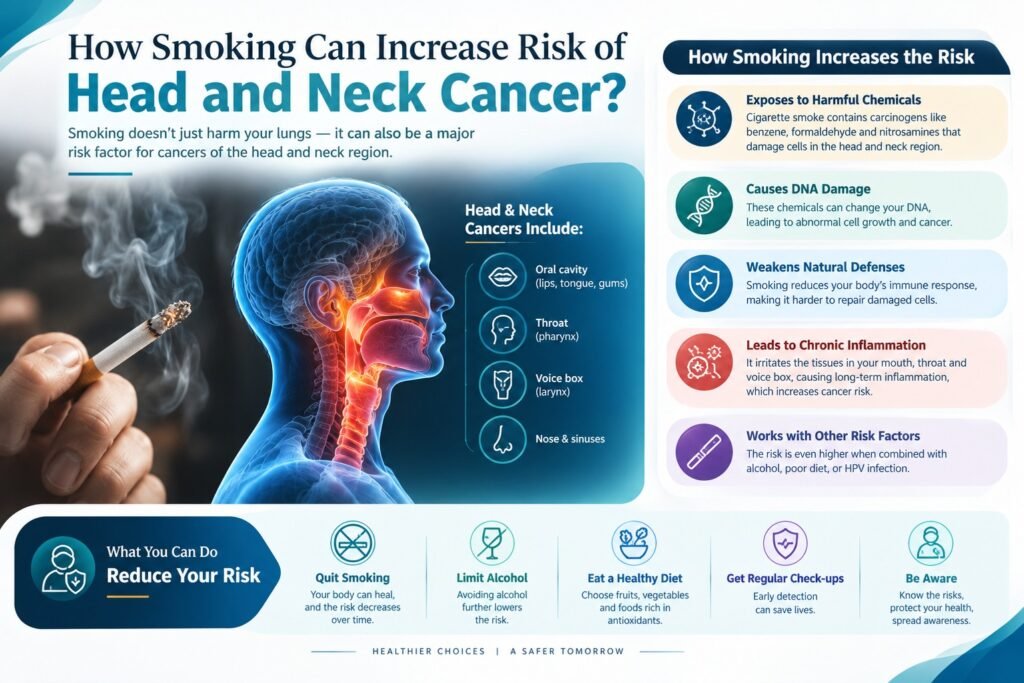
Where to Get Oral Cancer Treatment in Ahmedabad: A Complete Patient Guide Oral cancer is one of the most common cancers in India especially in Gujarat, where tobacco use remains high. The good news is that early detection and the right treatment at the right center can significantly improve survival and quality of life. If you or your loved one has been diagnosed or even suspects oral cancer this guide will help you make the right, informed decision in Ahmedabad. What is Oral Cancer? Oral cancer includes cancers of: Tongue Buccal mucosa (cheek lining) Gums Floor of mouth Hard palate Most cases in India are linked to Tobacco chewing (gutka, mawa, pan masala), smoking and alcohol consumption Early Signs You Should NOT Ignore Many patients ignore symptoms for months, leading to advanced disease. Watch out for: Non-healing ulcer (>2–3 weeks) White or red patches in the mouth Difficulty in swallowing Persistent pain or burning sensation Lump in neck Key point: Early-stage oral cancer is highly treatable and often curable with surgery alone. Where to Get Oral Cancer Treatment in Ahmedabad? Choosing the right hospital and surgeon is the most critical decision. 1. Look for a Specialized Head & Neck Cancer Surgeon Oral cancer is not routine surgery, it requires: Oncological clearance Functional preservation (speech, swallowing) Cosmetic reconstruction A trained Head & Neck Surgical Oncologist ensures all three. 2. Choose a Center with Multidisciplinary Care The best outcomes come from a team approach: Surgical oncologist Medical oncologist (chemotherapy) Radiation oncologist Pathologist & radiologist This ensures complete, stage-wise treatment planning. 3. Availability of Advanced Reconstruction In advanced cases, surgery may require reconstruction using: Free flaps (microvascular surgery) PMMC flaps These techniques restore speech, swallowing and facial structure Not all centers offer this expertise. 4. Technology MattersModern oral cancer surgery is no longer just removal, it is precision surgery. Look for centers using: Nerve preservation techniques Function-preserving approaches Advanced imaging and planning Treatment Options for Oral Cancer Treatment depends on stage: Early Stage (Stage I–II) Surgery alone Excellent outcomes Minimal functional loss Are we closing the care gap? Not yet Surgery + reconstructionFollowed by radiation ± chemotherapy Early treatment = less aggressive surgery + better quality of life. Cost of Oral Cancer Treatment in Ahmedabad Costs vary based on stage and treatment type: Early-stage surgery: ₹1.5–3 lakh Advanced surgery with reconstruction: ₹3–6 lakh Additional radiation/chemotherapy costs Schemes like PMJAY may help eligible patients. Always discuss package inclusions and hidden costs beforehand. Common Myths About Oral Cancer Myths Facts Biopsy spreads cancer Biopsy is essential and safe Surgery will permanently disfigure the face Modern reconstruction techniques restore appearance If there is no pain, it is not serious Early cancer is often painless Why Early Treatment Changes Everything The biggest mistake patients make is delay. Delays lead to: Larger tumors More complex surgery Need for radiation/chemotherapy Reduced survival Acting early can mean simpler treatment and complete cure. Choosing the Right Surgeon Matters A good oral cancer surgeon focuses not just on removing cancer but also on preserving speech, maintaining, swallowing and ensuring long-term quality of life About Dr. Bhavin Vadodariya Dr. Bhavin Vadodariya is a Lead Consultant Surgical Oncologist (Head & Neck) based in Ahmedabad, specializing in: Oral cancer surgery Thyroid and parathyroid surgery Function-preserving oncologic procedures He is known for combining oncological safety, precision surgery and patient-centered care When Should You Consult Immediately? Do not wait if you have: Any ulcer not healing for 2–3 weeks Difficulty in opening mouth Lump in neck Suspicious oral lesion Final Message Oral cancer is serious, but highly treatable when detected early and treated correctly. The right surgeon, the right center, and the right timing can make all the difference.

Oncology

Nerve Monitoring in Thyroid Surgery- Why It Matters

Nerve Monitoring in Thyroid Surgery- Why It Matters Voice outcomes are a major quality-of-life issue after thyroid surgery, and protecting the recurrent laryngeal nerve is a core surgical priority. IONM provides real-time functional feedback that can help identify nerves in complex anatomy and guide safer decisions (including staged surgery after loss of signal), although it does not replace surgical expertise or guarantee zero voice change. Most patients come for thyroid surgery focused on cure and safety and rightly so. But patients also care deeply about voice: the ability to speak clearly, project, swallow comfortably, and avoid breathing problems. The single most important nerve related to the voice during thyroid surgery is the recurrent laryngeal nerve (RLN), which controls vocal-cord movement. When the RLN is injured, patients may experience hoarseness, breathy voice, aspiration (coughing with liquids), or rarely airway compromise. How surgeons protect the nerve (gold standard + modern adjuncts) The foundation of RLN protection is careful surgical technique and direct visual identification of the nerve considered the gold standard. Intraoperative nerve monitoring (IONM) was developed as an adjunct to support identification and provide functional feedback via electromyography (EMG), typically using a specialised endotracheal tube with electrodes. Importantly, IONM assists the surgeon; it does not “do the surgery” and does not replace skill or anatomy knowledge. What is IONM? IONM is a system that allows the surgical team to stimulate a nerve and receive an EMG response, indicating that the nerve is conducting signals to the laryngeal muscles. In practical terms, it helps the surgeon: Locate the RLN when anatomy is distorted Confirm function before and after critical steps Detect changes that may signal traction or injury risk There are two broad styles: Intermittent IONM: the nerve is checked at key steps Continuous IONM: ongoing monitoring via vagus nerve stimulation When nerve monitoring is most useful IONM can be considered in many thyroid operations, but it is most compelling in higher-risk scenarios where anatomy is challenging or consequences are greater, such as: Re-operative thyroid or parathyroid surgery Large goitres or retrosternal extension Thyroid cancer with suspected invasion near the RLN Bilateral surgery planned (total thyroidectomy) Anatomic variants or complex nodal dissections A key safety concept: loss of signal and staged surgery One of the most patient-relevant contributions of IONM is decision support when the signal drops or is lost on one side during planned bilateral surgery. In such cases, surgeons may consider staging the surgery completing one side and postponing the other to reduce the risk of bilateral vocal-cord paralysis requiring urgent airway management. Does nerve monitoring reduce nerve injury? IONM is widely adopted and may be associated with a small protective effect in real-world settings. Evidence suggests that any reduction in nerve-injury risk is modest overall and most relevant in selected higher-risk situations. The most honest conclusion: IONM is best viewed as a risk-reduction tool (especially in complex cases), not a guarantee. Pre-operative voice assessment: why it matters Some patients may have pre-existing vocal-cord weakness, sometimes without obvious symptoms. In higher-risk cases, pre-operative voice assessment may be recommended to establish a baseline and help interpret any postoperative changes. Common FAQs 1. Will nerve monitoring guarantee my voice will be normal? No. Voice change can occur even without nerve injury, and nerve injury can still occur despite monitoring. The purpose is to reduce risk and support safer decisions. 2. Is nerve monitoring necessary in every thyroid surgery? Not always. Many routine low-risk thyroid operations are safely performed with meticulous technique. Monitoring becomes most valuable when risk is higher. 3. Does monitoring replace surgeon experience? No. It is an adjunct. Visual identification and safe dissection remain fundamental. 4. What happens if the signal is lost during surgery? The surgeon may consider staging the surgery to reduce risk of bilateral vocal-cord paralysis. 5. Should I have a pre-operative vocal cord check? It may be recommended in selected cases, especially in re-operative surgery or when there are voice symptoms. Risks and Benefits Benefits: improved nerve identification and functional feedback, safer decision-making in complex cases, support for staged surgery, and possible reduction in nerve injury in selected patients. Limitations: added equipment and cost, possible false alarms, does not eliminate risk, and depends on correct setup and interpretation. Conclusion Thyroid surgery is usually safe, but protecting the voice nerve is a high priority especially in cancer, redo surgery, large goitres, or planned bilateral procedures. If you’ve been advised thyroid surgery and want a voice-focused, safety-first plan, a structured consultation can help you understand your personalised risk and the safest surgical approach.

Scroll to Top