Behind the OT Doors:
A Complete Look at the Oral Cancer Surgery Procedure

For most patients, the operation theatre is the most anxious part of the entire cancer journey. You know the surgery needs to happen but what actually goes on behind those closed doors? Understanding the process does not just satisfy curiosity. It genuinely helps patients feel more prepared, more in control, and less afraid. This guide takes you through the oral cancer surgery journey from entering the OT to reaching the recovery room.
Why Understanding the Surgery Helps Patients Feel Less Afraid
Fear of the unknown is almost always worse than the reality. When patients understand what the surgical team is doing and why the anxiety of waiting for surgery becomes significantly more manageable. Surgeons and oncology teams at experienced centres take time to explain the process before the day arrives, and this preparation is as much a part of care as the operation itself.
How the Surgical Team Prepares Before the First Incision
A great deal of work happens before the surgeon makes a single cut. The OT is set up specifically for your case instruments are laid out, imaging scans are displayed, and every member of the team is briefed on the plan.
Who Is in the Room During a Head and Neck Cancer Operation?
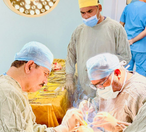
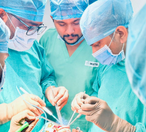
A head and neck cancer operation involves more people than most patients expect. The team typically includes the lead oncosurgeon, a reconstructive surgeon, an anaesthesiologist, a scrub nurse, a circulating nurse, and often a resident or surgical assistant. Each person has a defined role, and the team works together with a level of coordination that takes years to develop.
Anaesthesia and Airway Management: The First Critical Step
Because oral cancer affects the mouth and throat, managing the airway before anaesthesia is administered requires particular care. In many cases, the anaesthesiologist performs a fibre-optic intubation passing a breathing tube through the nose rather than the mouth to keep the surgical site completely accessible. Once the airway is secured and anaesthesia is confirmed, the operation begins.
Walking Through the Oral Cancer Surgery Procedure What Actually Happens
The surgery follows a logical sequence, though the exact steps vary depending on the size and location of the tumour.
Tumour Removal: How Surgeons Define and Clear the Margins
The primary goal is to remove the tumour along with a rim of healthy tissue around it called clear margins. This is what reduces the risk of the cancer returning. Surgeons use a combination of visual assessment and touch to define the boundaries of the tumour, then carefully excise it while protecting surrounding structures as much as possible.
When the Jaw or Neck Is Involved Extending the Operation
If the tumour has grown close to or into the jawbone, a portion of the mandible may need to be removed. If there is a risk that cancer has spread to the lymph nodes, a neck dissection is performed simultaneously removing the affected nodes from one or both sides of the neck. This is all part of a single, coordinated oral cancer surgery procedure.
The Commando Surgery Explained: What It Is and When It Is Needed
One term patients sometimes hear and rarely understand is “commando surgery.” Commando surgery formally called a composite resection involves removing the tumour, a portion of the jaw, and the lymph nodes of the neck in one combined operation. It sounds extensive, and it is but it is designed for cases where the cancer spans multiple structures and needs to be addressed comprehensively in a single sitting. Having commando surgery explained before the operation helps patients process the scope of what is being done and why it gives the best chance of clear margins.
Reconstruction Rebuilding While the Cancer Is Still Being Removed
One of the most remarkable aspects of modern oral cancer surgery is that reconstruction often happens in the same operation. While one surgical team removes the tumour, a second team may already be harvesting tissue from another part of the body.
Flap Surgery Inside the OT: Where the Tissue Comes From
The most common donor sites are the forearm (radial forearm free flap) or the thigh (anterolateral thigh flap). A section of skin, fat, and sometimes muscle along with its blood vessels is carefully removed and transferred to the mouth to fill the space left by the tumour.
Why Reconstruction Happens in the Same Operation
Performing reconstruction immediately reduces the number of surgeries a patient needs, shortens the overall recovery period, and produces better functional outcomes for speech and swallowing. The reconstructive surgeon connects the flap’s blood vessels to vessels in the neck using microsurgery stitches finer than a human hair, viewed under a microscope.
What the Surgical Team Monitors Throughout the Oral Cancer OT Process
Surgery is not just about cutting and stitching. Throughout the oral cancer OT process, the team is continuously monitoring and making decisions in real time.
Frozen Section Biopsies: Real-Time Margin Checking During Surgery
One of the most important intraoperative steps is the frozen section biopsy. Tissue from the edges of the removed tumour is sent immediately to a pathologist in an adjacent lab. Within 20 to 30 minutes, the pathologist reports whether the margins are clear. If cancer cells are found at the edge, the surgeon removes more tissue before closing all while the patient is still on the table.
How Long Does the Operation Typically Take?
A straightforward oral cancer surgery may take three to four hours. When neck dissection, jaw surgery, and free flap reconstruction are all involved, the operation can last eight to twelve hours or more. Patients and families should be prepared for this, and most hospitals provide waiting area updates throughout.
What Happens in the Final Hour of Surgery
Once the tumour is removed, margins are confirmed clear, and reconstruction is complete, the team moves to closing.
Closing the Wound and Placing Drains
The surgical site is closed in layers. Small drainage tubes are placed near the neck dissection site to prevent fluid from collecting under the skin. These are typically removed two to four days after surgery.
Tracheostomy Why Some Patients Wake Up With a Breathing Tube
In cases involving significant swelling or reconstruction in the mouth and throat, a temporary tracheostomy may be performed an opening in the neck through which the patient breathes while healing takes place. This can understandably be distressing if it comes as a surprise, which is why surgical teams at experienced centres in Ahmedabad discuss this possibility with patients well before the operation.
From OT to Recovery Room The Handover That Matters
When surgery is complete, the patient is transferred to the ICU or a high-dependency recovery unit. The surgical team hands over a detailed report to the nursing and intensive care team covering what was done, what to monitor, and what the first 24 hours of recovery should look like. This handover is as important as the surgery itself.
Questions Patients Ask Before Going Into the Operation Theatre
Will I Be Conscious at Any Point During Surgery?
No. General anaesthesia ensures you are completely unconscious and feel nothing throughout the procedure. You will have no awareness of the operation.
How Will the Surgeon Know All the Cancer Has Been Removed?
This is where the frozen section biopsy process is invaluable. Combined with pre-operative imaging and the surgeon’s intraoperative assessment, it gives the team the best possible confirmation that the cancer has been fully removed before the wound is closed.
Understanding what happens during a head and neck cancer operation does not make the experience easy but it makes it less unknown. And for most patients, that clarity is the first step toward feeling ready to face it.
If you are preparing for oral cancer surgery and want to understand your specific procedure in detail, speaking with your surgical team in Ahmedabad before the operation is the most important conversation you can have.