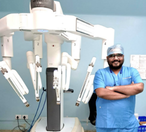
Cancer Treatment Delays Explained: Why Early Action Saves Lives

Cancer treatment is most effective when started at the right time. However, many patients delay medical care due to fear, confusion, financial concerns, or the hope that symptoms will improve on their own. While these reactions are understandable, delaying treatment can allow cancer to progress, making it harder to control and reducing the chances of successful recovery.
Early diagnosis and timely medical intervention are among the most important factors in improving cancer outcomes. Understanding how delays affect the disease can help patients make informed decisions and seek care before complications develop.
Why Timing Matters in Cancer Treatment
Cancer is not a condition that remains unchanged over time. In many cases, cancer cells continue to grow and spread if treatment is postponed.
Cancer Progression Can Happen Quickly
Some cancers grow aggressively and may spread to nearby tissues or distant organs within a short period. What begins as an early-stage disease can become more advanced if treatment is delayed.
Early Stages Often Have Better Outcomes
When detected early, many cancers can be treated more effectively with fewer complications. Early intervention increases the likelihood of successful recovery and long-term survival.
Common Reasons Why Patients Delay Cancer Treatment
Ignoring Early Symptoms
Symptoms such as unexplained weight loss, persistent lumps, or unusual bleeding are often ignored in the beginning. Many patients assume these changes are temporary or unrelated to cancer.
Fear and Emotional Stress
A cancer diagnosis can create anxiety and fear. Concerns about surgery, chemotherapy, or lifestyle changes may cause patients to postpone important decisions.
Financial and Accessibility Challenges
Treatment expenses, travel difficulties, and limited access to specialized care can also contribute to delays in starting proper cancer treatment.
Spending Too Much Time Seeking Multiple Opinions
Second opinions can be valuable, but waiting too long to finalize treatment plans may negatively affect outcomes.
How Delayed Cancer Treatment Affects Survival
Tumor Growth and Disease Spread
As cancer progresses, tumors can grow larger and spread to lymph nodes or other organs. Advanced-stage disease is often more difficult to treat successfully.
Reduced Chances of Curative Treatment
Early-stage cancers may sometimes be cured with localized treatment. Delays can reduce the possibility of complete tumor removal or control.
Need for More Aggressive Therapies
Patients diagnosed at later stages may require combined treatments such as surgery, chemotherapy, and radiation therapy, which can increase physical and emotional stress.
Why Early Treatment Often Leads to Better Recovery
Less Extensive Surgery
When cancer is detected early, surgery may be smaller and less complex. This often results in quicker recovery and fewer complications.
Improved Quality of Life
Timely treatment can preserve normal body function and reduce the impact of aggressive therapies on daily life.
Better Long-Term Outcomes
Patients who receive early cancer treatment generally have higher survival rates and better overall health outcomes.
The Role of a Surgical Oncologist in Cancer Care
A skilled surgical oncologist plays an important role in diagnosing, staging, and treating cancer. These specialists help determine the best treatment approach based on the type and stage of disease.
Timely consultation with an experienced cancer specialist ensures accurate evaluation and a personalized treatment plan. Early expert guidance can prevent unnecessary delays and improve the chances of successful treatment.
Myths That Often Lead to Delays
“If It Doesn’t Hurt, It’s Not Serious”
Many cancers may not cause pain in the early stages. Waiting for severe symptoms can allow the disease to progress.
“Alternative Remedies Alone Can Cure Cancer”
While supportive therapies may help improve well-being, delaying evidence-based medical treatment can reduce survival chances.
“Treatment Can Wait for a Few More Months”
Even small delays may impact outcomes in certain types of cancer.
Signs You Should Never Ignore
Persistent symptoms should always be evaluated by a medical professional. Warning signs may include:
- Unexplained lumps or swelling
- Sudden weight loss
- Persistent fatigue
- Non-healing ulcers or bleeding
- Difficulty swallowing or changes in bowel habits
Seeking medical attention early allows for faster diagnosis and more effective treatment planning.
Acting Early Can Improve Survival and Recovery
Delaying cancer treatment can significantly affect survival, recovery, and quality of life. Although fear and uncertainty are common after diagnosis, taking timely action gives patients the best chance for successful outcomes.
Understanding the risks of waiting and consulting an experienced specialist early can make a life-saving difference.
Take the Next Step Toward Timely Cancer Care
If you or a loved one has been diagnosed with cancer, do not delay evaluation and treatment. Consulting an experienced cancer specialist at the right time can help you understand your options and begin the most appropriate cancer treatment without unnecessary delays.