Author name: dr. Bhavin Vadodariya

Oncology

Precision in Every Step: Choosing the Right Expert for Oral Cancer Care in Ahmedabad

Precision in Every Step: Choosing the Right Expert for Oral Cancer Care in Ahmedabad Oral cancer is a serious and life-altering diagnosis that demands timely intervention, accurate staging, and expert surgical planning. When families begin searching for the best oral cancer Surgeon in Ahmedabad, they are not just looking for a qualified doctor, they are looking for reassurance, experience, and a team that prioritizes both survival and quality of life. Dr. Bhavin Vadodariya is widely recognized for his dedicated work in head and neck oncology, offering comprehensive and patient-focused oral cancer treatment in Ahmedabad. With a strong clinical foundation and experience in advanced surgical techniques, he provides structured, evidence-based care tailored to each patient’s condition. Understanding Oral Cancer Oral cancer typically affects the lips, tongue, cheeks, floor of the mouth, hard palate, and throat. It often develops gradually, which makes early detection extremely important. Risk factors include tobacco use (smoking or chewing), alcohol consumption, HPV infection, and prolonged sun exposure (for lip cancer). Common warning signs include: ● Non-healing ulcers lasting more than two weeks ● Red or white patches inside the mouth ● Persistent pain or difficulty swallowing ● Lump or thickening in the cheek ● Loosening of teeth without dental cause Many patients initially ignore these symptoms, assuming they are minor mouth issues. However, early evaluation by a specialist significantly improves treatment outcomes. Why Surgical Expertise Matters Surgery remains one of the most effective treatment options for oral cancer, particularly in early and moderate stages. The goal is to remove the tumor completely while preserving essential functions such as speech, swallowing, and facial appearance. Dr. Bhavin Vadodariya follows a structured surgical approach that includes: ● Detailed clinical examination and imaging ● Biopsy confirmation and staging ● Multidisciplinary treatment planning ● Precision tumor removal with safe margins ● Reconstruction when necessary to restore form and function Advanced surgical planning helps reduce recurrence risk and improves long-term recovery. Comprehensive Treatment Approach Oral cancer treatment is rarely one-dimensional. Depending on the stage and spread of the disease, management may include:● Surgical removal of the primary tumor ● Neck dissection if lymph nodes are involved ● Reconstructive surgery for functional and cosmetic restoration ● Coordination with radiation and medical oncology teams Dr. Bhavin Vadodariya works closely with oncology specialists to ensure every patient receives coordinated and seamless care. This integrated approach enhances both survival rates and post-treatment quality of life. Experience You Can Trust Dr. Bhavin Vadodariya is a dedicated head and neck oncosurgeon known for his methodical planning and patient-centric communication. Patients appreciate his transparent consultation style, where treatment options, risks, and recovery timelines are clearly explained. His approach emphasizes: ● Early diagnosis and prompt treatment ● Evidence-based surgical methods ● Ethical and transparent guidance ● Compassionate patient interaction This balance of clinical precision and empathetic care is what makes patients feel confident throughout their treatment journey. Dr. Bhavin Vadodariya combines advanced oncological techniques with a patient-first philosophy, ensuring that every individual receives precise treatment and compassionate support. Early consultation, structured treatment planning, and expert surgical care remain the cornerstones of successful oral cancer management.

Oncology

Advanced Surgical Oncology Care with Dr. Bhavin Vadodariya in Ahmedabad

Advanced Surgical Oncology Care with Dr. Bhavin Vadodariya in Ahmedabad Cancer is a life-changing diagnosis that requires timely intervention, precise surgical expertise, and compassionate care. When patients and families begin searching for a trusted cancer surgeon in Ahmedabad, they are not just looking for technical excellence, they are looking for reassurance, clarity, and confidence in their treatment journey. Dr. Bhavin Vadodariya is known for his patient-focused approach and strong clinical expertise in surgical oncology. With a commitment to evidence-based medicine and modern surgical techniques, he provides comprehensive cancer care tailored to each patient’s unique condition. Understanding the Role of a Cancer Surgeon A cancer surgeon, also known as a surgical oncologist, specializes in diagnosing and surgically treating various types of cancers. Surgery remains one of the most effective treatment options for many solid tumors, especially when detected early. The responsibilities of a skilled cancer surgeon include: ● Performing biopsies for accurate diagnosis ● Removing tumors with clear margins ● Conducting lymph node evaluations ● Coordinating with oncologists for chemotherapy or radiation therapy ● Planning reconstructive procedures when needed Surgical precision is crucial in oncology. The goal is not only to remove the cancer but also to preserve healthy tissue, maintain function, and support faster recovery. Why Choose Dr. Bhavin Vadodariya? Expertise in advanced surgical oncology techniques ● Focus on precision and organ preservation ● Ethical and evidence-based medical practice ● Comprehensive pre- and post-operative care ● Dedicated patient education and counselling For individuals seeking a reliable, experienced cancer surgeon in Ahmedabad, choosing the right specialist is crucial for recovery. With a balanced combination of clinical expertise and compassionate care, Dr. Bhavin Vadodariya aims to provide effective cancer treatment while prioritizing patient well-being. Cancer surgery is not just a medical procedure, it is an emotional journey. Patients often face fear, uncertainty, and many questions. Dr. Bhavin Vadodariya believes in maintaining open communication, offering realistic expectations, and supporting patients and their families at every step. From the first consultation to recovery and follow-up visits, emphasis is placed on comfort, safety, and clear guidance. This compassionate approach builds trust and reduces anxiety during a challenging phase of life.

Oncology

Advanced Microvascular Reconstructive Head & Neck Surgery in Ahmedabad

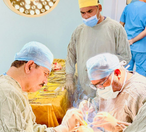
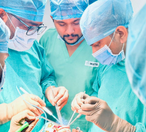
Precision Beyond Removal: Advanced Microvascular Reconstructive Head and Neck Surgery in Ahmedabad Head and neck cancers often require complex surgical removal of tumors that may affect the mouth, tongue, jaw, throat, or facial structures. While removing the cancer is the first priority, restoring appearance and function is equally important. This is where Microvascular Reconstructive Head and Neck Surgery in Ahmedabad plays a transformative role. Dr. Bhavin Vadodariya specializes in advanced oncologic and reconstructive procedures that focus not only on eliminating disease but also on helping patients regain speech, swallowing ability, facial symmetry, and overall confidence. Conditions That May Require Microvascular Reconstruction This advanced surgical approach is commonly recommended for patients with: â—Ź Oral cavity cancers affecting the tongue, cheek, or floor of the mouth â—Ź Jaw (mandibular) tumours requiring bone reconstruction â—Ź Throat or laryngeal cancers â—Ź Recurrent head and neck cancers â—Ź Extensive trauma or tumour-related facial defects Every case is carefully evaluated to determine the extent of disease and the most appropriate reconstructive strategy. Why Reconstruction Is So Important Head and neck structures are vital for speaking, eating, breathing, and facial expression. Without proper reconstruction, patients may experience long-term challenges such as difficulty swallowing, unclear speech, or visible facial deformity. Microvascular reconstructive surgery helps: â—Ź Restore facial contour and symmetry â—Ź Rebuild jaw continuity for chewing and speech â—Ź Improve swallowing and airway protection â—Ź Enhance overall quality of life By combining tumour removal and reconstruction in a single operative session, patients often achieve better functional outcomes and fewer surgeries overall. The Surgical Process: Expertise Matters Microvascular procedures require advanced training, precision, and teamwork. These surgeries can last several hours and demand careful planning. Dr. Bhavin Vadodariya emphasizes: â—Ź Detailed pre-operative imaging and mapping â—Ź Multidisciplinary coordination with oncologists and anesthesiologists â—Ź Use of high-powered surgical microscopes â—Ź Continuous post-operative monitoring to ensure graft survival Post-surgical care is equally critical. Patients are closely monitored in the initial days to confirm adequate blood supply to the reconstructed tissue. Early rehabilitation, including speech and swallowing therapy, may be recommended for optimal recovery. Microvascular reconstruction is one of the most technically demanding procedures in surgical oncology. Selecting a surgeon with dedicated expertise is essential for achieving both safe cancer removal and successful functional restoration. For individuals seeking expert Microvascular Reconstructive Head and Neck Surgery in Ahmedabad, Dr. Bhavin Vadodariya offers a comprehensive, evidence-based approach that prioritizes precision, safety, and quality of life.

Oncology

Proton Therapy in Oropharyngeal Cancer

Proton Therapy in Oropharyngeal Cancer : A Breakthrough, But Not a Blanket Replacement A recently published large randomized phase III dataset (MD Anderson led, multicenter) comparing IMPT (protons) vs IMRT (photons) in oropharyngeal cancer is being positioned as “practice-changing.” The reported highlights include improved 5-year overall survival and fewer severe toxicities like dysphagia, xerostomia, feeding-tube dependence and even hematologic toxicities. From a Head & Neck surgical oncologist’s perspective, this matters because contemporary oropharyngeal cancer care is no longer defined by cure alone. Dysphagia, xerostomia, feeding-tube dependence, weight loss, and recurrent hospitalizations shape long-term survivorship, and patient dignity. Why protons make biological sense By reducing exit dose and overall integral dose, proton therapy can: Spare salivary glands and pharyngeal constrictors Reduce severe mucositis, dysphagia, and feeding-tube dependence Lower hematologic toxicity in selected settings These benefits are real, but context dependent. India has limited proton capacity and substantial costs (~₹40 lakh in private centres, ~₹20 lakh in select government facilities). Can proton therapy become routine today? Not universally only selectively and strategically. High quality IMRT remains an excellent standard for the majority of patients. The correct framing is IMRT for most, protons for the right few ,not IMRT versus protons. Where protons add the most value in India• Skull base and sinonasal tumors• Re-irradiation cases• Pediatric and young adult patients• Selected oropharyngeal cancers with a clear dosimetry advantage. Proton therapy should evolve as a national precision resource, guided by: MDT-driven patient selection Comparative IMRT vs IMPT planning Indian outcome registries and rational reimbursement models The question is no longer whether proton therapy works.The question is where, for whom, and at what cost it should be integrated into routine head & neck cancer care. The next “standard of care” is not a machine,it is a decision pathway.Innovation must be balanced with realism, access, and patient value.

Oncology

Can we close the care gap? Oncology Care in LMICs: The Grassroots Challenge

Can we close the care gap? Oncology Care in LMICs: The Grassroots Challenge Cancer is a disease that demands long-term, resource-intensive treatment, posing an especially heavy burden in low- and middle-income countries (LMICs). In nations like India, where a significant portion of the population comprises daily wage earners, farmers, and small shop owners living in villages, the challenges are even more pronounced. For these individuals, a cancer diagnosis can feel like a death sentence not just due to the disease itself, but because of the overwhelming socio-economic impacts of treatment. The Reality of Cancer Treatment in LMICs Cancer treatments such as surgery, chemotherapy, and radiation therapy demand time, money, and proximity to healthcare facilities. Surgical recovery can take at least a month, radiation therapy often lasts 6 to 8 weeks, and chemotherapy can stretch over 3 to 6 months. Alongside the physical burden, the psychological stress of cancer fear of recurrence, anxiety, depression, and lingering fatigue can last for months or even years after treatment ends. For patients from economically disadvantaged backgrounds, the cancer journey requires the full support of their families. Caretakers whether they be spouses, parents, or children play a crucial role in ensuring adherence to treatment protocols and in providing emotional and logistical support. This family-driven care environment can offer a sense of hope and encouragement to the patient. However, in India, where many households depend on daily wages, the story is far more complex. The Financial Trap Daily wage earners and labourers cannot afford to stop working for extended periods without jeopardizing their livelihood. They rely on their daily income not only to sustain their families but also to afford necessities like food and shelter. When cancer strikes, these patients face a harsh reality: leave their jobs to undergo prolonged treatment and risk financial ruin, or continue working and risk their lives. The financial strain begins at diagnosis and deepens as treatment progresses. Although surgery can be covered under government schemes like the Pradhan Mantri Jan Arogya Yojana (PMJAY), the subsequent phases of treatment—radiation therapy and chemotherapy—pose significant barriers. In Gujarat state, only 10 out of 33 districts have radiation therapy machines, forcing patients to travel long distances, often to major cities, to complete their treatment. Even with financial support from the government, such as a daily travel stipend of 200 rupees, patients lose their primary source of income. Caregivers, too, must leave their jobs, which further exacerbates the economic burden. Myths, Misconceptions, and Low Adherence Another significant issue is the widespread myths and misconceptions surrounding cancer treatment. In many rural communities, cancer is still seen as an incurable disease, particularly when a patient’s condition worsens after starting chemotherapy or radiation therapy. Anecdotal stories circulate about patients whose health declined after receiving treatment, fueling fear and reluctance among others to seek care. Modern radiotherapy techniques like 3D CRT (Conformal Radiotherapy) and IGRT (Image-Guided Radiotherapy) have reduced side effects dramatically compared to older technologies like 2D RT, and cobalt-based machines. Still, these advancements are not always well understood by the public. The fear of debilitating side effects often leads patients to forgo radiation therapy, which significantly increases their risk of recurrence. The result is a vicious cycle: patients either delay or avoid necessary treatment, leading to advanced-stage cancer by the time they seek help, further reinforcing the stigma that “cancer is not curable.” Structural Challenges: Access and Resources The logistical barriers faced by rural cancer patients extend beyond financial issues and misinformation. The geographic distribution of oncology services in India remains skewed towards urban centres, leaving much of the rural population underserved. Tertiary care centres with specialized equipment and oncologists are few and far between. Even as the government offers advanced techniques like robotic surgery, HIPEC, and laparoscopic procedures at lower rates, these innovations rarely reach rural populations. The disparity between the latest cancer care technologies and their availability to the lowest strata of society raises the question: Are we truly closing the care gap? The Way Forward: Practical Solutions To address the challenges in cancer care for low-income patients, several measures must be considered: Busting Myths and Misconceptions: A widespread education campaign is essential to dispel the myths surrounding cancer treatments, especially chemotherapy and radiation therapy. Many rural communities hold misconceptions that worsen patient outcomes due to non-adherence. Public health initiatives should focus on educating both patients and their families about the true side effects and benefits of modern cancer treatments, using local healthcare workers and community outreach programs. Supporting Patients’ Relatives: Given the long duration of cancer treatments, it’s important to provide support not only for patients but also for their caregivers, who often have to leave their jobs to accompany the patient to major tertiary cancer centres. Programs could be developed to provide employment opportunities for caregivers during the patient’s treatment, either through temporary work near the treatment centres or financial assistance to offset the loss of income. Adequacy of Government Cancer Hospitals and Regional Centers: While institutions like government cancer hospitals, regional cancer centres, and Tata Memorial Hospital provide critical services, they are not enough to cater to the vast population in need of care, especially in rural areas. These facilities often become overwhelmed, and the long distances that patients must travel to access them contribute to delays in treatment and poor adherence. Rethinking the Allocation of Advanced Techniques: The government offers advanced procedures like robotic surgeries, HIPEC, and laparoscopic surgeries at reduced rates under PMJAY. However, it is essential to ensure that these treatments are provided in a manner that keeps both the surgeons motivated and the hospitals sustainable. Offering cutting-edge procedures at rates that strain hospital resources or demotivate surgeons may lead to a reduction in care quality or accessibility. Motivating Oncologists in Tier 2 and Tier 3 Cities: Establishing more AIIMS or Tata Memorial-like centres is not the sole solution to the healthcare gap. Instead, efforts should be made to motivate oncologists to practice in tier 2 and tier 3 cities, where access to specialized cancer care is still

Scroll to Top