
A Doctor’s Guide to Thyroid Nodules: When to Worry and When to Relax
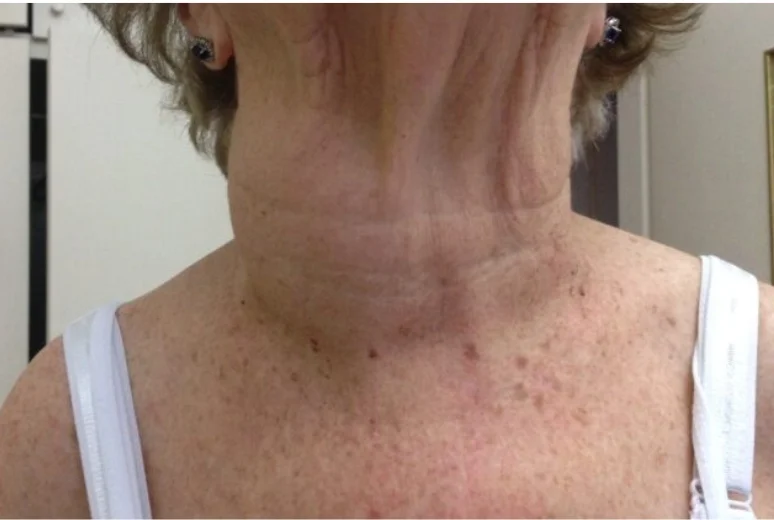
Finding a lump in the neck can be worrying, especially when it is related to the thyroid gland. Many patients notice thyroid swelling during routine activities like swallowing or looking in the mirror, which often leads to anxiety about serious illness. The good news is that most thyroid nodules are harmless and do not require aggressive treatment. However, knowing when to stay calm and when to seek medical attention is essential for protecting your health.
A thyroid nodule is simply a growth or lump within the thyroid gland. These nodules are quite common and are often detected during a physical examination or imaging test. While most are benign, a small percentage may need further evaluation to rule out complications. Understanding this difference can help you make confident and timely decisions.
What Causes Thyroid Nodules?
Thyroid nodules can develop due to several reasons, and not all of them are serious.
Common Causes Behind Thyroid Swelling
In many cases, thyroid swelling occurs due to iodine deficiency, fluid-filled cysts, or overgrowth of normal thyroid tissue. These conditions are usually non-cancerous and manageable.
Hormonal Imbalances and Thyroid Function
Sometimes, nodules can affect hormone production, leading to symptoms like weight changes, fatigue, or increased heart rate. Proper evaluation helps determine the exact cause.
Thyroid Swelling: When Is It Normal and When Should You Worry?
Not every thyroid nodule is a cause for concern, but certain signs should not be ignored.
When You Can Relax
Small nodules that do not grow or cause symptoms are usually harmless. Many patients live with them without any impact on daily life. Regular monitoring is often all that is needed.
Warning Signs That Need Attention
If the thyroid swelling increases in size, causes difficulty in swallowing or breathing, or leads to voice changes, it is important to consult a specialist. Rapid growth or persistent discomfort should always be evaluated.
Symptoms That May Indicate a Problem
While many nodules are silent, some may present noticeable symptoms.
Physical Symptoms
A visible lump in the neck, pressure sensation, or discomfort while swallowing may indicate a growing nodule.
Hormonal Symptoms
If the nodule affects thyroid function, patients may experience anxiety, unexplained weight loss, fatigue, or irregular heartbeat.
When Should You Be Concerned About a Thyroid Nodule?
Certain factors increase the need for careful medical evaluation.
Changes in Size or Shape
A nodule that grows quickly or feels hard may require further investigation.
Risk Factors to Consider
A family history of thyroid disease, previous radiation exposure, or specific age groups can increase the risk of complications.
When Is Monitoring Enough?
Not all nodules require immediate intervention.
Stable and Non-Symptomatic Nodules
If the nodule remains unchanged and does not cause symptoms, doctors often recommend regular follow-ups instead of immediate treatment.
Importance of Routine Check-Ups
Periodic ultrasound and clinical exams help ensure that the nodule remains harmless over time.
Thyroid Nodule Treatment: What Are Your Options?
The approach to thyroid nodule treatment depends on the nature and behavior of the nodule.
Observation and Medical Management
Benign nodules may only need monitoring or medication to manage symptoms.
Surgical Treatment When Needed
If the nodule is large, symptomatic, or suspicious, surgery may be recommended to remove it safely and prevent complications.
Why Expert Evaluation Matters
Accurate diagnosis is the key to avoiding unnecessary worry or delayed treatment. Advanced diagnostic tools like ultrasound and biopsy help determine whether a nodule is benign or requires intervention.
With expert guidance from specialists like Dr. Bhavin Vadodariya, patients receive a clear diagnosis and a personalized treatment plan. His approach focuses on balancing safety, precision, and patient comfort, ensuring that every individual receives the right care at the right time.
When Should You Consult a Specialist?
Early consultation can make a significant difference in outcomes.
Signs You Should Not Ignore
Persistent thyroid swelling, rapid growth of a lump, or associated symptoms should prompt immediate medical attention.
Benefits of Early Diagnosis
Timely evaluation allows for simpler treatment and reduces the risk of complications.
Takeaway: Stay Informed and Stay Reassured
Most thyroid nodules are not dangerous, and many patients can safely manage them with regular monitoring. However, ignoring symptoms or delaying evaluation can lead to unnecessary risks. Understanding your condition and seeking timely medical advice helps you stay in control of your health.
Take the Next Step Toward Thyroid Health
If you have noticed thyroid swelling or have concerns about a thyroid nodule, don’t rely on guesswork. Consult an experienced specialist like Dr. Bhavin Vadodariya for accurate diagnosis and the most suitable thyroid nodule treatment. Early guidance not only provides clarity but also ensures peace of mind and better long-term health.