Thyroid & Parathyroid Surgery
What is Thyroid & Parathyroid Surgery?
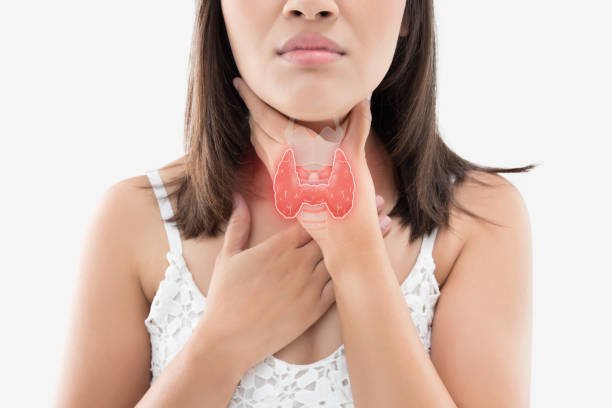
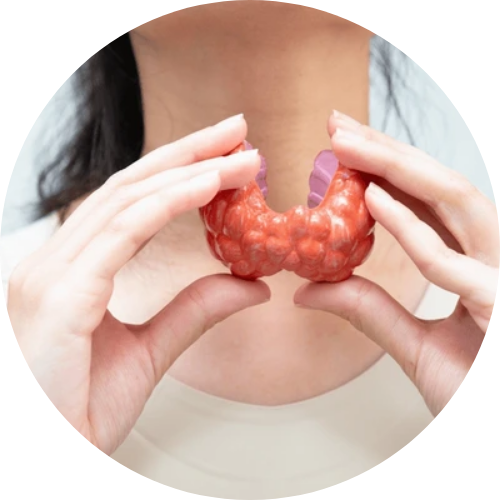
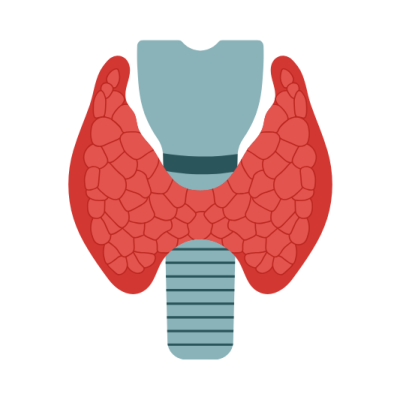
Thyroid & Parathyroid Surgery is performed to remove part or all of the thyroid or parathyroid glands when they become overactive, enlarged, cancerous, or harmful to surrounding structures.
These surgeries focus on restoring normal hormone and calcium balance while protecting essential nerves and tissues.
Modern surgical methods allow smaller incisions, better cosmetic results, and safer outcomes, especially when handled by an experienced head & neck surgeon.
When is it Needed?
For the following conditions, surgery becomes an important step in restoring normal health.
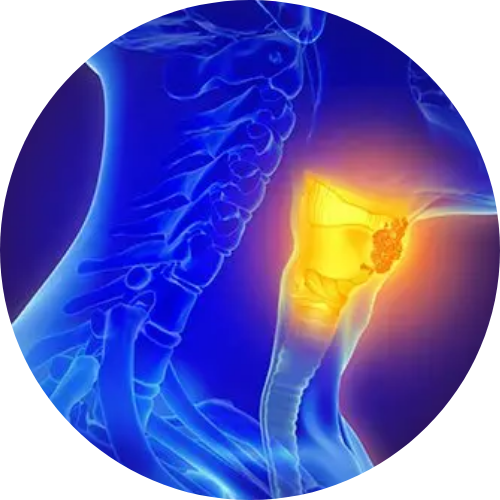
Thyroid Cancer
When a biopsy (FNAC) shows cancer or high suspicion of malignancy, for complete removal of affected thyroid tissue and to prevent spread.
Hyperthyroidism
Overactive thyroid not controlled by medicines may need surgery to protect your heart and metabolism.
Large Nodules/ Goitre
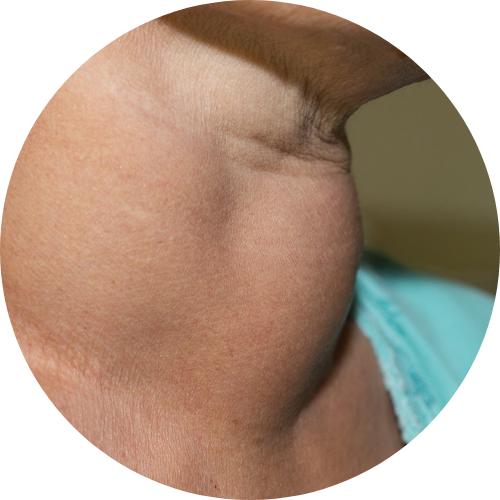
Indicated when the swelling causes difficulty in swallowing, breathing pressure, cosmetic concern, or rapid increase in size.
Hyperparathyroidism
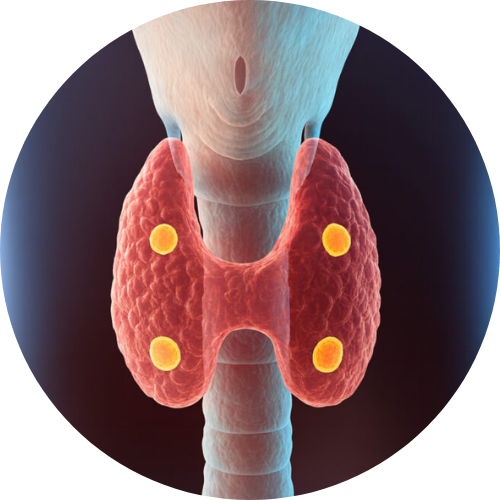
Overactive parathyroid glands leading to high calcium, kidney stones, or bone weakness require surgical correction.
What the Surgery Involves?
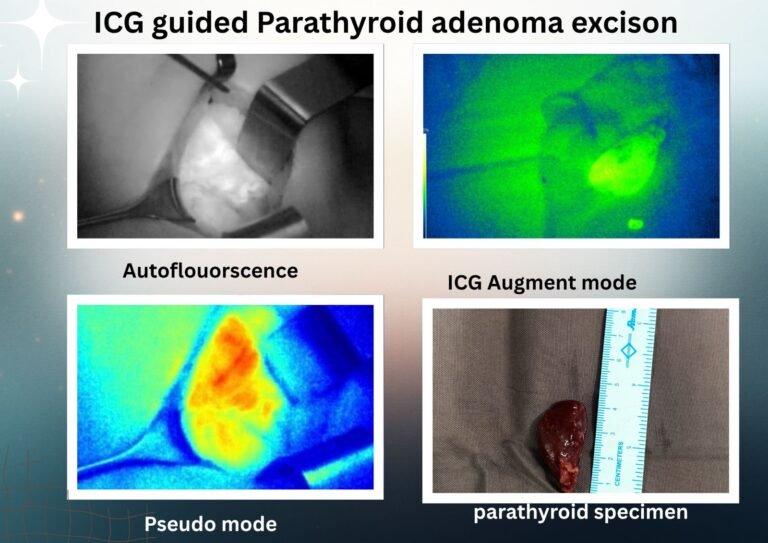
During thyroidectomy, ICG (Indocyanine Green) fluorescence imaging is used to identify and preserve the parathyroid glands, significantly reducing the risk of postoperative hypocalcemia.
This ensures safer surgery and better long-term outcomes.
The surgery is performed using delicate, fine instruments to minimise tissue handling and protect the vocal cord nerves. Advanced nerve monitoring systems and ICG technology help preserve essential structures. After removing the diseased gland, closure is done with cosmetic techniques to ensure minimal scarring.
A detailed assessment involving blood tests, ultrasound, scans, and medical review to plan the safest and most effective approach.
Precise removal of the diseased thyroid or parathyroid tissue using minimally invasive or standard techniques while closely protecting nerves and other vital structures.
Monitoring calcium levels, voice function, and incision healing, followed by clear instructions, medications, and follow-up visits to support smooth recovery.
ICG Technology for Safer Thyroid Surgery
To protect the delicate parathyroid glands during thyroid surgery, Dr. Bhavin uses ICG (Indocyanine Green) fluorescence technology. This advanced system helps clearly identify the parathyroids in real time, reducing the chances of accidental injury and significantly lowering the risk of post-operative low calcium levels (hypocalcemia). It adds an extra layer of safety and precision to your surgery.
ADVANTAGES

Restored Balance
Normalizes thyroid hormones or calcium levels.
Voice Protection
Advanced nerve-monitoring helps keep your voice safe.
Clearer Symptoms
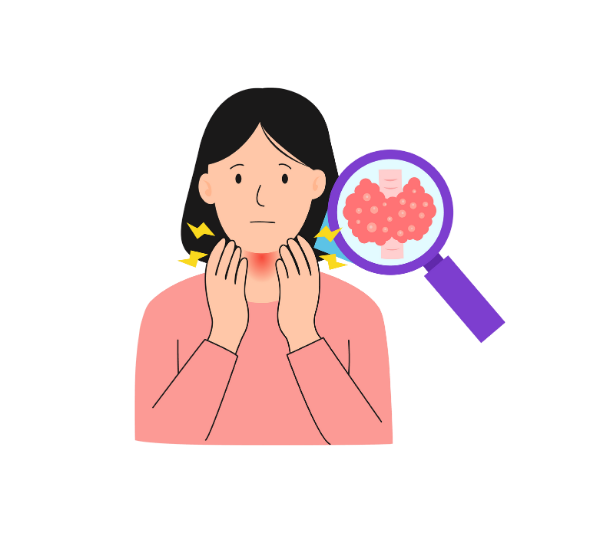
Relieves swelling, fatigue, palpitations, and bone pain.

Faster Recovery
Small incisions mean quicker recovery and less discomfort.
ADVANTAGES

Restored Balance
Normalizes thyroid hormones or calcium levels.

Clearer Symptoms
Relieves swelling, fatigue, palpitations, and bone pain.

Voice Protection
Advanced nerve-monitoring helps keep your voice safe.

Faster Recovery
Small incisions mean quicker recovery and less discomfort.
Recovery & What to Expect
Recovery after thyroid or parathyroid surgery is usually smooth, with most patients resuming normal activities within a few days. With proper follow-up, medication support, and good wound care, long-term outcomes are excellent.
Smooth Incision Healing
Most patients experience minimal pain and neat scar healing, especially with small incisions.
Voice & Nerve Safety
Mild hoarseness may occur temporarily, but nerve-monitoring significantly reduces risk of lasting voice issues.
Calcium or Hormone Adjustment
Depending on the gland removed, temporary or long-term supplements may be needed to restore balance.
Quick Return to Routine
Daily activities often resume in 3–5 days, with full recovery expected within a couple of weeks.
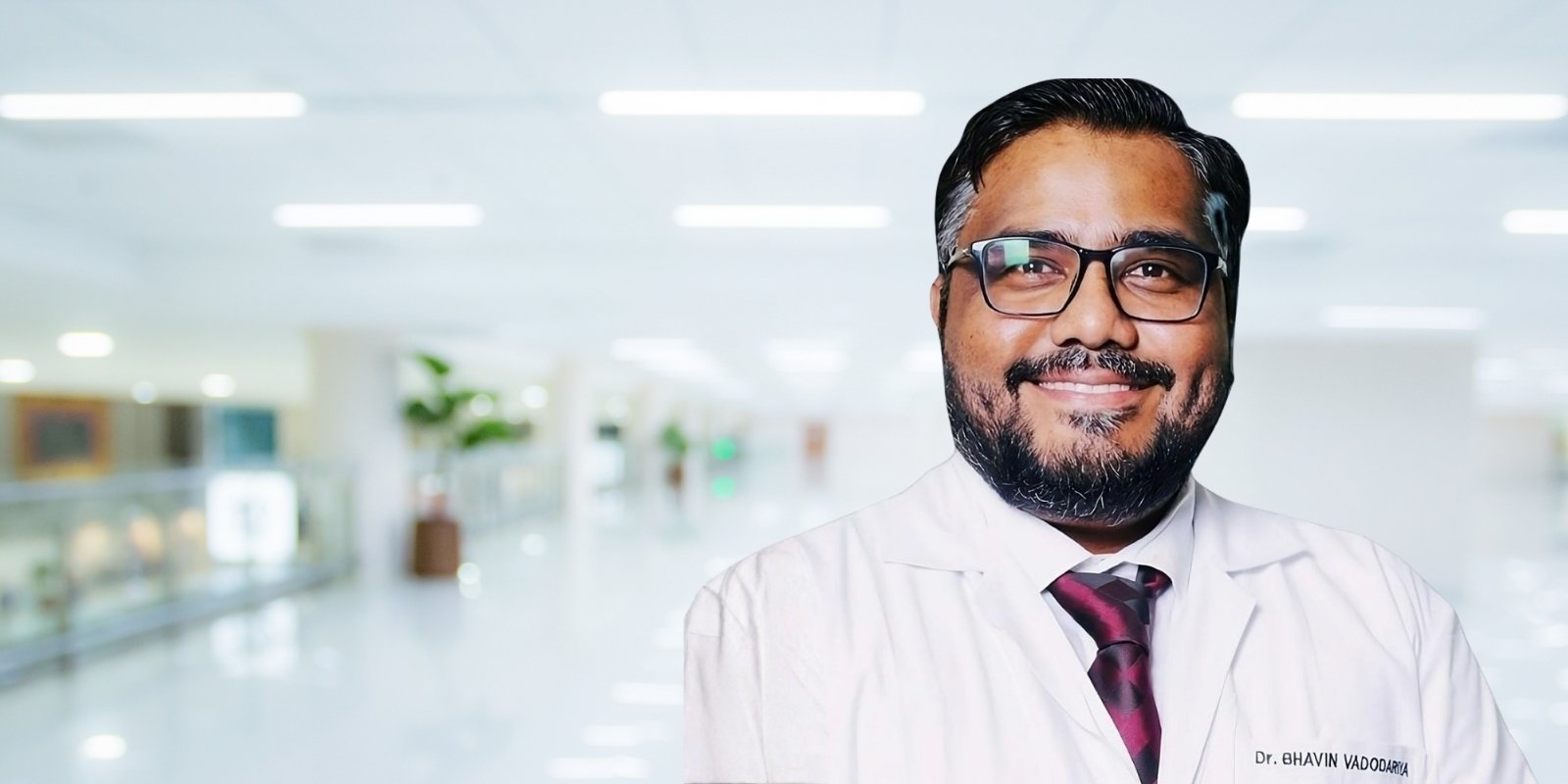
Why Consult Dr. Bhavin Vadodariya?
Trusted Expertise in Cancer & Head-Neck Surgery
Dr. Bhavin Vadodariya is a highly trained surgical oncologist with extensive experience in treating cancers of the head, neck, thyroid, oral cavity, and more.
Advanced Surgical Techniques
With expertise in minimally invasive techniques, microvascular reconstruction, and complex head-neck surgeries, Dr. Bhavin focuses on reducing pain, and improving long-term outcomes.
Ethical, Transparent Care You Can Trust
Dr. Bhavin believes every patient deserves clarity, honesty, and full respect. Patients receive honest opinions without unnecessary tests or fear. Dr. Bhavin believes in transparency and ethical treatment,
Clear Guidance and Support
Patients appreciate Dr. Bhavin’s calm, friendly approach. He explains each condition in simple words, discusses all treatment options openly, and makes sure families feel supported throughout.
Our philosophy
Care rooted in honesty, empathy, and patient-first values.
Dr. Bhavin believes every patient deserves clarity, respect, and the comfort of knowing they are in safe hands. He takes time to listen, understand your concerns, and explain your condition in simple language because informed patients make confident decisions. His promise is to treat every person with utmost sincerity and dedication.
Beyond performing successful surgeries, Dr. Bhavin aims to support patients through their entire healing journey. He focuses on preserving quality of life, restoring confidence, and guiding you step-by-step from diagnosis to recovery. His approach brings together medical expertise and genuine human connection, ensuring you feel heard, cared for, and reassured throughout the process.
Commitment to Your Recovery
Dr. Bhavin listens with patience and treats every concern with empathy.
You receive clear explanations and ethical advice
Every surgical decision is made with your long-term health and function in mind.
Support continues beyond surgery, ensuring a safe and confident return to daily life.
Questions About Treatment? Start Here.
A quick and helpful guide to the doubts patients usually have about the surgery, recovery, and overall treatment process.
Yes, it is generally very safe when performed by an experienced head & neck surgeon.
Temporary hoarseness is possible but permanent voice changes are uncommon due to nerve monitoring.
Most patients have a small, thin scar that fades well over time. Minimally invasive techniques help keep it minimal.
Yes. You may feel mild throat discomfort, but normal speaking is usually possible immediately or within a day.
Book Your Consultation Today
Connect with Dr. Bhavin Vadodariya for accurate diagnosis and advanced surgical expertise.