Do I Really Need Cancer Surgery?
When to Say Yes
Cancer surgery is most valuable when the disease is localised and resectable, and removal offers the best chance of cure or durable control, often combined with other treatments. The right decision depends on stage, goals (curative vs palliative), medical fitness, and whether non-surgical options offer equal control with better function preservation for that specific cancer.
“Doctor, do I really need surgery?” is one of the most important questions in cancer care. It’s also the right question, because surgery is not automatically “the best” for every cancer, and yet for many solid tumours it remains the strongest curative tool. The goal is to choose surgery when it improves survival or control meaningfully and avoid it when it adds risk without benefit.
What cancer surgery can (and cannot) do
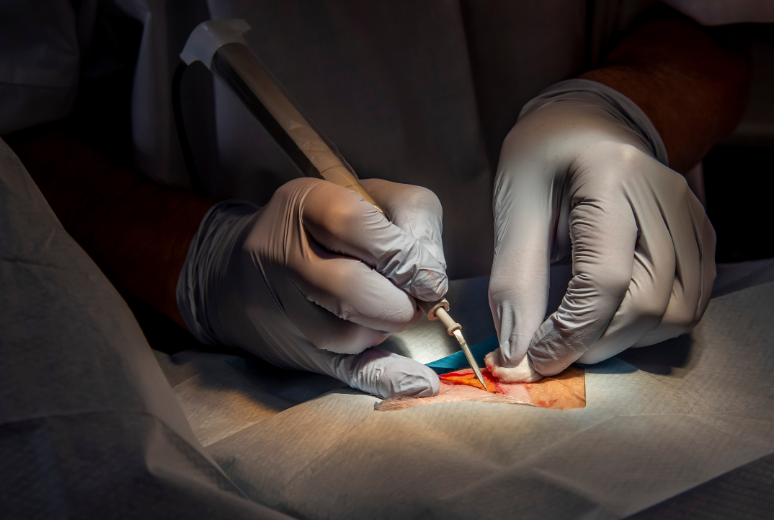
Cancer surgery is a procedure in which a surgeon removes cancer from the body. It is primarily a local treatment it treats the area where the tumour is. Surgery works best for solid tumours contained in one area and is generally not used as the main treatment for blood cancers like leukaemia, or for cancers that have widely spread (metastatic disease), where systemic therapy is usually central.
When surgery is usually the right choice (when to say “yes”)
Surgery is commonly recommended when one or more of these are true:
1) Curative intent for localised, resectable solid tumours
If scans show the tumour is confined and can be removed with clear margins, surgery often offers the best chance of cure or long-term control. For most cancers, local treatments especially surgery and radiation are key components of curative-intent care; systemic therapy may be used before or after surgery depending on risk.
2) Diagnosis and staging when tissue is needed
Sometimes a surgical procedure is used to obtain tissue (biopsy) or to clarify spread, especially when less invasive methods are inadequate or unsafe.
3) Tumour debulking or symptom relief
Surgery may remove part of a tumour to reduce pressure, unblock an organ, or make other treatments more effective. Surgery is also used to ease symptoms like pain, bleeding, or obstruction. In palliative settings, the purpose is relief and quality of life rather than cure.
4) Reconstruction and function restoration
In many cancers (for example, head and neck), surgery may be paired with reconstructive techniques to restore swallowing, speech, or appearance.
When surgery may NOT be the first or best option
Choosing “no surgery right now” can be correct when:
Cancer is systemic at presentation
If cancer has widely spread, surgery to remove the primary tumour may not improve survival unless it addresses symptoms or specific situations where it is part of a broader strategy. Systemic therapies are central in many metastatic settings.
Non-surgical definitive treatment gives comparable control
For some cancer types and stages, radiotherapy or chemoradiation can offer similar local control while preserving organ function. This must be decided cancer-by-cancer, stage-by-stage, ideally in a multidisciplinary discussion.
Your medical risk outweighs the surgical benefit
Fitness for surgery matters: heart/lung reserve, nutrition, frailty, and uncontrolled comorbidities can increase complications. In such cases, treatment may start with non-surgical options, optimisation (“prehabilitation”), or modified surgical approaches.
Practical decision points to discuss with your surgeon
Before consenting to cancer surgery, ask for clarity on these decision points:
- What is the goal? Cure, long-term control, symptom relief, or diagnosis?
- Is my tumour resectable? What structures are involved, and what margins are expected?
- What is the best sequence? Surgery first vs chemotherapy/radiotherapy first vs combined plan
- What are realistic outcomes? Survival benefit, recurrence risk, function after surgery
- What reconstruction/support is planned? Nutrition, speech/swallow rehab, stoma care, physiotherapy
- What are the non-surgical alternatives and their limitations
Common FAQs
1. If I feel fine, can I postpone surgery?
Symptoms do not reliably reflect cancer stage. Some cancers remain silent until advanced. Decisions should be based on staging and biology, not only symptoms.
2. Can surgery “spread cancer”?
This is a common fear. Modern oncologic surgery follows strict principles to minimise tumour spillage and optimise margins.
3. Will I still need chemotherapy or radiation after surgery?
Often, yes, depending on pathology risk features. Surgery is frequently one part of a multimodal curative plan.
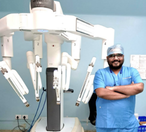
4. Is minimally invasive surgery always better?
Not always. It can reduce wound size and recovery time in selected cases, but must not compromise tumour clearance or safety.
5. Should I seek a second opinion before surgery?
If surgery is major or life-altering, a structured second opinion can be a sensible quality-check.
Risks and Benefits
Benefits: potential cure or long-term control, symptom relief, definitive staging, and enabling tailored adjuvant therapy based on pathology.
Risks: pain, bleeding, infections, anaesthesia risks, clots, and site-specific functional changes; these are discussed in informed consent and reduced by appropriate pre-operative optimisation and experienced teams.
Conclusion
You should say “yes” to cancer surgery when it offers the clearest benefit toward cure, durable control, or essential symptom relief and when it aligns with your goals and medical fitness. If you’ve been advised cancer surgery and want a clear, evidence-based explanation of why, what alternatives exist, and what outcomes to expect, a structured consultation with complete review of your biopsy and imaging can help you decide the safest next step.